
In recent years, the field of dent repair has seen remarkable advancements, shifting from traditional methods to more sophisticated techniques. This evolution has made dent repair more efficient and cost-effective for vehicle owners. In this blog, we will explore the journey from conventional dent repair methods to the innovative paintless dent repair (PDR) technology, focusing on how these changes have impacted the industry and the benefits they bring to car owners.
The Early Days of Dent Repair
Traditional Dent Repair Methods
Before the advent of modern technology, dent repair involved labor-intensive and time-consuming methods. Early dent repair techniques often required significant bodywork, which could include:
- Filling and Sanding: Dents were filled with putty or bondo, then sanded down to match the surrounding area. This process required extensive repainting and blending to achieve a seamless finish.
- Panel Beating: This technique involved hammering out dents from the back of the panel. It was a skill-intensive process that often led to uneven surfaces and required additional bodywork.
- Heat and Hammering: In some cases, heat was applied to expand the metal, followed by hammering to reshape it. This method was not always effective and could lead to paint damage.
These traditional methods were effective but came with their own set of challenges, including higher costs and longer repair times. Moreover, the need for repainting often meant that the original paint’s quality and finish were compromised.
The Rise of Paintless Dent Repair (PDR)
Introduction to PDR
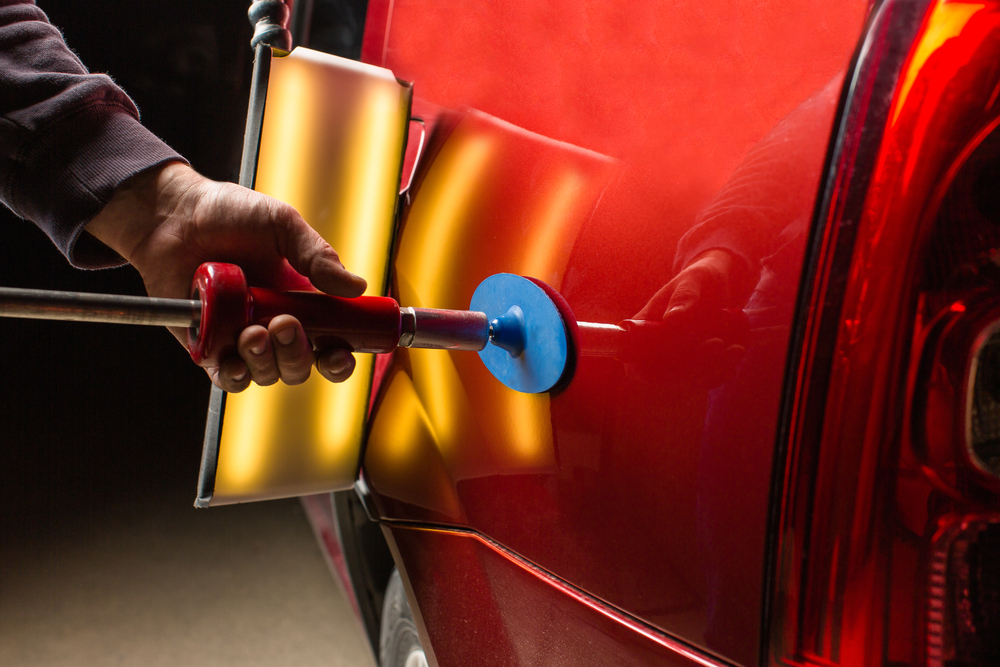
Paintless Dent Repair (PDR) emerged as a revolutionary method of dent repair, offering a less invasive and more efficient solution compared to traditional techniques. PDR involves the following:
- Gentle Manipulation: Technicians use specialized tools to gently push or pull the metal back into its original shape from behind the panel. This process does not involve sanding or filling.
- No Repainting Required: Since PDR does not alter the original paint, the repair preserves the vehicle’s factory finish, maintaining its value and appearance.
Advantages of Paintless Dent Repair
The benefits of PDR over traditional methods are numerous:
- Cost-Effectiveness: PDR generally costs less than traditional dent repair because it requires fewer materials and less labor.
- Faster Turnaround: Repairs can often be completed in a few hours rather than days, reducing the time a vehicle is out of service.
- Preservation of Original Paint: Maintaining the original paintwork enhances the vehicle’s resale value and ensures that the finish remains as close to factory standards as possible.
Applications of PDR
PDR is suitable for various types of dents, including:
- Hail Damage: PDR is particularly effective for repairing dents caused by hail, which can cover large areas of a vehicle.
- Parking Lot Dents: Minor dents and dings from parking lot mishaps are ideal candidates for PDR.
- Minor Collisions: Small to medium-sized dents from low-speed collisions can often be repaired using PDR.
The Impact on the Industry
Advances in Technology
The advancement of tools and techniques in PDR has significantly impacted the industry. Modern PDR tools include:
- LED Lights: Advanced lighting systems help technicians see dents more clearly and work more precisely.
- High-Tech Adhesives: Specialized adhesives are used for pulling techniques, allowing for more effective and controlled repairs.
Environmental Considerations
PDR is also more environmentally friendly compared to traditional methods. Since it does not involve repainting, there are fewer chemicals and less waste involved in the repair process. This reduction in environmental impact aligns with the growing focus on sustainability in the automotive industry.
Consumer Benefits
For consumers, the shift to PDR has brought several advantages:
- Improved Accessibility: Many auto repair shops now offer PDR services, making it easier for vehicle owners to find a nearby provider.
- Enhanced Quality: The precision and skill required for PDR often result in a higher quality repair with fewer noticeable imperfections.
The Future of Dent Repair Technology
Emerging Trends
The field of dent repair continues to evolve, with several emerging trends and technologies on the horizon:
- Smart Technology Integration: The integration of smart technology, such as sensors and cameras, is expected to enhance the accuracy and efficiency of dent repair techniques.
- Training and Certification: As PDR becomes more popular, there is a growing emphasis on specialized training and certification for technicians to ensure high-quality repairs.
Challenges and Considerations
Despite its many benefits, PDR is not without challenges. Some factors to consider include:
- Complex Dents: Extremely complex or severe dents may still require traditional repair methods, as PDR has its limitations.
- Skill Level: The success of PDR depends heavily on the technician’s skill and experience. Inexperienced technicians may struggle to achieve optimal results.
Conclusion
The evolution of dent repair technology from traditional methods to paintless dent repair represents a significant advancement in the automotive repair industry. PDR has revolutionized the way dents are repaired, offering a more efficient, cost-effective, and environmentally friendly solution. As technology continues to advance, we can expect further improvements in dent repair techniques, enhancing the quality and accessibility of these services for vehicle owners.