Determining whether a bumper should be repaired or replaced can be a critical decision. Bumpers are designed to protect the front and rear ends of vehicles from damage during low-speed collisions. However, they are also prone to damage themselves. Understanding when to opt for bumper repair versus replacement depends on several factors that impact both safety and aesthetics.
Factors Influencing the Decision
Damage Severity and Type
The type and severity of the damage sustained by the bumper play a significant role in deciding between repair and replacement. Minor scratches, scuffs, or dents often can be repaired without replacing the entire bumper. On the other hand, significant cracks, deep scratches, or structural damage might necessitate a full replacement for safety reasons.
Safety Considerations
Safety should always be a priority when evaluating bumper damage. Bumpers are crucial for protecting both vehicle occupants and essential components in the event of a collision. If the damage compromises the bumper’s ability to absorb impact or affects its structural integrity, replacement is typically recommended to ensure adequate protection.
Age and Condition of the Bumper
The age and overall condition of the bumper are essential factors. Older bumpers, especially those made of materials prone to degradation like certain plastics, may not respond well to repairs. Additionally, if the bumper has undergone previous repairs or is nearing the end of its lifespan, replacement might be a more viable long-term solution.
Cost Considerations
Cost considerations are often a significant factor for vehicle owners. In general, bumper repairs tend to be less expensive than replacements. However, the extent of the damage and the type of bumper material can influence repair costs. Sometimes, repairing extensive damage might approach or even exceed the cost of replacement, making replacement the more economical choice in the long run.
Aesthetic Preferences
Aesthetic preferences also play a role, especially for vehicle owners concerned with maintaining the appearance of their cars. Even if damage is minor and repairable, some may opt for replacement to ensure a seamless look that matches the rest of the vehicle, particularly for newer or well-maintained cars.
How to Determine the Right Option
Inspection by a Professional
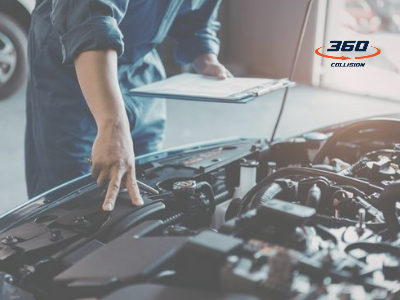
When faced with bumper damage, the best course of action is to seek an inspection by a qualified automotive professional. They can assess the damage comprehensively and provide expert advice on whether repair or replacement is necessary. Professionals can also provide accurate cost estimates and help weigh the pros and cons of each option based on the specific circumstances.
Consider Insurance Coverage
If the damage is due to an accident or covered incident, insurance coverage may influence the decision. Some policies may cover bumper repairs or replacements depending on the circumstances and your coverage level. Consulting with your insurance provider can clarify what options are available and the associated costs.
DIY vs. Professional Repair
While minor cosmetic damage might be tempting to repair yourself, it’s crucial to assess your skill level and the complexity of the repair needed. DIY repairs can save money but may not always deliver the same quality or durability as professional repairs. For more extensive damage or structural issues, professional repair or replacement is often the safer and more reliable choice.
Conclusion
Determining whether a bumper should be repaired or replaced depends on a variety of factors, including the type and severity of damage, safety considerations, cost, and aesthetic preferences. While minor damage can often be repaired economically and effectively, more severe damage may warrant a full bumper replacement to ensure safety and structural integrity. Consulting with a qualified automotive professional is recommended to make an informed decision tailored to your specific situation.