

Quick answer:
Pothole damage can cause more than a flat tire. A hard impact can knock your alignment out of spec, damage suspension parts, and create hidden collision damage that makes your vehicle unsafe to drive. If your car pulls, vibrates, or feels “off” after a pothole hit, a professional inspection is the safest next step.
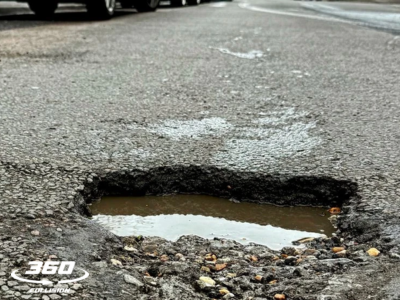
If you have driven in San Antonio for any length of time, you have probably hit a pothole that made your stomach drop. Maybe it was on I-10, Loop 1604, or a back road you take every day. It happens fast, and a lot of drivers do the same thing right after. They keep going.
Sometimes you get lucky and it is just a tire. But potholes can also cause pothole damage car repair situations that do not show up until later. The car starts pulling slightly. The steering wheel no longer sits straight. You feel a vibration around 50 to 70 mph. Those “small” changes are often the first sign of hidden damage that needs a real inspection.
At 360 Collision, we see this all the time. A pothole impact can stress wheels, suspension parts, and mounting points, and that can cross into collision repair San Antonio territory even when there is no dramatic crash. The goal of this guide is to help you understand what potholes can do, what warning signs to watch for, and when it makes sense to get the vehicle checked before it becomes a bigger problem.
If you need help after a pothole hit, these are the areas we typically evaluate: collision damage repair, auto body repair, and when necessary, frame repairs.
Why potholes cause more damage than most drivers think
A pothole hit might feel like one quick jolt, but what actually happens is more like a shockwave. Your tire drops into a hole, then the wheel slams into the edge. That force has to go somewhere, and it travels through the wheel, the tire, the suspension, and the steering system in a fraction of a second. This is why pothole damage car repair is often more than a tire replacement.
In the shop, we see the same patterns again and again. A hard pothole impact can bend a wheel, damage the tire sidewall internally, and knock alignment angles out of spec. It can also stress parts most drivers never think about, like tie rods, control arms, struts, ball joints, and bushings. These parts are designed to handle normal road movement, not sudden blunt-force impacts. Even a small bend or shift can change how the vehicle tracks, brakes, and handles at highway speeds.
Another reason pothole hits get underestimated is that modern vehicles can hide damage well. The car may still drive straight enough to feel “okay” at city speeds, but the signs often show up later. Uneven tire wear. Steering wheel off-center. A vibration that only appears at certain speeds. A noise when turning or braking. Those are all common results of pothole impacts, especially when the vehicle hit hard enough to jar the suspension geometry.
Here is the part that surprises many drivers. A pothole hit can also create hidden collision damage outside the suspension system. If the vehicle bottomed out, scraped, or struck the edge at an angle, we sometimes find damage to underbody panels, bumper brackets, splash shields, or mounting points. Those are not always “mechanical only” problems. They can fall under collision damage repair when the impact affects structural mounting areas or causes body components to shift.
The bottom line is this. A pothole impact is not just an inconvenience. It is a sudden impact event that can change how your vehicle drives and how safely it performs. If your vehicle feels different afterward, getting it inspected early is often the most cost-effective move. It helps you avoid destroying a tire set, driving on a compromised wheel, or letting a small suspension issue turn into a bigger repair.
Signs pothole damage is more than “just a bump”
Most drivers do not need a shop visit for every rough road. The difference is what your vehicle tells you afterward. A pothole impact that causes real pothole damage car repair issues usually leaves clues, even if the outside looks normal.
The most common sign we hear is this: “It drives, but it feels different.” That matters. A vehicle can still be drivable while components underneath are stressed, bent, or out of alignment. Those small changes are often the earliest warning that something needs attention before it becomes a bigger repair.
- Pulling left or right when you drive on a straight road, especially at highway speeds
- Steering wheel off-center after the pothole hit, even if the car seems to track straight
- Vibration between roughly 45 and 70 mph, which can indicate a bent wheel, damaged tire, or imbalance
- Clunking or knocking sounds when turning, braking, or driving over bumps, which can indicate stressed suspension parts
- Uneven tire wear that shows up within days or weeks after the impact
- New warning lights related to stability control, tire pressure, or steering systems, depending on the vehicle
Here is why these signs matter. They often point to alignment or suspension changes, and those changes affect braking, steering control, and tire life. Driving too long with misalignment can destroy a new tire set quickly, and driving with a bent wheel or damaged tire sidewall can increase the risk of a blowout.
If any of these symptoms show up after a pothole hit, the safest step is a professional inspection. Depending on what the impact affected, your vehicle may need anything from a simple correction to deeper evaluation through auto body repair or collision damage repair, especially if underbody components or mounting points were impacted.
Hidden damage we see after pothole and curb impacts
This is the part most people never hear explained. A pothole impact is not always a clean “wheel problem.” The force can travel into areas that do not show visible damage right away, and that is where the hidden costs come from if it is ignored.
In our shop, we commonly find wheel and tire damage first. A wheel can bend just enough to cause a vibration that feels like “something is loose” at certain speeds. Tires can also be damaged internally, especially in the sidewall, even when the outside looks fine. That is why we take pothole hits seriously, because what looks minor can turn into a safety issue quickly.
We also see steering and suspension stress. Tie rods, control arms, struts, and ball joints can take the hit. Sometimes the part does not snap, but it shifts, weakens, or begins wearing faster. That is when drivers come back weeks later with uneven tire wear or a pulling sensation that slowly gets worse.
Another hidden category is underbody impact damage. When a vehicle bottoms out or strikes the edge of a pothole at an angle, we may find cracked splash shields, bent brackets, damaged underbody panels, and loosened mounting points. Drivers often notice this later as scraping sounds, rattling, or panels hanging down. This is one reason pothole incidents sometimes cross into collision damage repair, because the impact affects mounting areas and structural attachment points, not just the tire.
On certain vehicles, especially newer models, pothole impacts can also affect sensor positioning and wheel speed sensor wiring near the suspension. If a sensor bracket is stressed or wiring is pulled, you may see stability control lights or traction control warnings. That is another reason we do not treat pothole impacts as “just maintenance.” It can become a safety system issue depending on where the impact occurred.
If you suspect your vehicle took a hard hit, it is worth getting it checked early. A clear inspection now can prevent bigger repairs later and can help preserve tire life, steering response, and safe handling. If deeper structural evaluation is needed, we can also confirm that through frame repairs.
Is it safe to keep driving after pothole damage
I get this question constantly, and I understand why. Life does not pause because you hit a pothole. You still have school pickup, work, errands, and everything else. So here is the honest answer from someone who sees the aftermath of these impacts every week.
Sometimes it is safe to drive a short distance. Sometimes it is not. The deciding factor is not whether the vehicle can move. The deciding factor is whether the impact damaged something that affects control and safety.
If your tire is losing air, the steering feels unstable, the vehicle pulls hard, or you see a bulge or bubble in the sidewall, do not keep driving. That is a blowout risk. If you hear grinding, metal scraping, or loud clunking, stop and get it checked. Those sounds often mean something is rubbing, loose, or structurally stressed.
If the vehicle “mostly feels fine” but you notice a vibration, a steering wheel that sits slightly crooked, or handling that feels different, you may be able to drive carefully in the short term. But I would not treat it as a wait-and-see situation. The longer you drive with misalignment or a bent wheel, the faster you burn through tires and the more strain you put on suspension components.
This is also why I encourage drivers not to rely on warning lights alone. Many issues from a pothole impact do not trigger a dashboard alert right away. Your vehicle may only communicate through feel, vibration, and wear patterns. If something feels off, trust that instinct.
If you are unsure, the safest step is a professional inspection. We can tell you whether the damage is limited to a wheel or tire, or whether the impact affected deeper areas that fall under collision damage repair or require evaluation through auto body repair. If the impact affected structural mounting points, we can also verify integrity through frame repairs.
Does insurance cover pothole damage in Texas
This is another question I hear constantly, usually right after someone takes a hard hit and says, “Please tell me this is covered.” Sometimes it is. Sometimes it depends. Insurance loves that phrase. I do not, but it is real.
In many cases, pothole damage is treated as an impact event. That often falls under collision coverage, because the vehicle hit an object or road hazard hard enough to cause damage. If the pothole impact led to a tire blowout, bent wheel, or underbody impact, coverage depends on your policy details and deductibles.
The biggest thing that helps, whether you file a claim or not, is documentation. Take a quick photo of the pothole if you can do it safely. Capture the street sign or nearby landmark. Photograph the damage and any warning lights. It is not glamorous, but it can save you time if you decide to involve insurance later.
Here is the part where I add a little shop humor. Drivers will tell me, “It was just one pothole.” And I always think, yes, but it was a pothole with a personality. The kind that waits until you are already having a long day and then chooses violence.
If you are uncertain whether the damage is only a wheel and tire issue or something deeper, a professional inspection helps you make the smartest decision. If it is impact-related damage, start with collision damage repair. If there is scraping, underbody contact, or loose panels, auto body repair is often the right fit. And if structural mounting points are involved, we can verify everything through frame repairs.
What a pothole damage inspection should include
When you bring your vehicle in after a hard pothole hit, the goal is not just to glance at the tire and shrug. A proper inspection should answer one clear question: what changed, and is it safe.
A solid pothole inspection typically includes checking alignment angles, suspension and steering components, wheel and tire condition, and any underbody panels or mounts that may have taken impact. If there are vibrations, it can also include checking for bent wheels or imbalance. If warning lights are present, the vehicle may need additional diagnostic verification.
Think of it like this. If your car starts acting weird after a pothole hit, it is not being dramatic. It is communicating. And it is doing its best to tell you, “Something is not where it used to be.”
The best time to catch pothole damage is early. A quick inspection can prevent premature tire wear, protect suspension components, and help you avoid driving with compromised handling. If the impact affected body mounting points or undercarriage structures, we can also evaluate that through collision damage repair and frame repairs.
What a pothole damage inspection should include
When you bring your vehicle in after a hard pothole hit, the goal is not just to glance at the tire and shrug. A proper inspection should answer one clear question: what changed, and is it safe.
A solid pothole inspection typically includes checking alignment angles, suspension and steering components, wheel and tire condition, and any underbody panels or mounts that may have taken impact. If there are vibrations, it can also include checking for bent wheels or imbalance. If warning lights are present, the vehicle may need additional diagnostic verification.
Think of it like this. If your car starts acting weird after a pothole hit, it is not being dramatic. It is communicating. And it is doing its best to tell you, “Something is not where it used to be.”
The best time to catch pothole damage is early. A quick inspection can prevent premature tire wear, protect suspension components, and help you avoid driving with compromised handling. If the impact affected body mounting points or undercarriage structures, we can also evaluate that through collision damage repair and frame repairs.
Schedule an inspection before it becomes a bigger repair
If your vehicle took a hard pothole hit and it now pulls, vibrates, or just feels “not quite right,” trust that instinct. Most pothole damage does not get better on its own. It usually gets louder, shakier, or more expensive.
The good news is that most pothole damage is straightforward when it is caught early. A quick inspection can protect your tires, reduce long-term suspension wear, and make sure you are not driving with compromised handling. And if the impact caused deeper damage, we can guide you through the right repair path, whether that is auto body repair, collision damage repair, or frame repairs.
San Antonio potholes are not going anywhere, and they definitely do not send apology letters. If your car feels off after a hit, let’s get eyes on it and give you clear answers.




One Comment