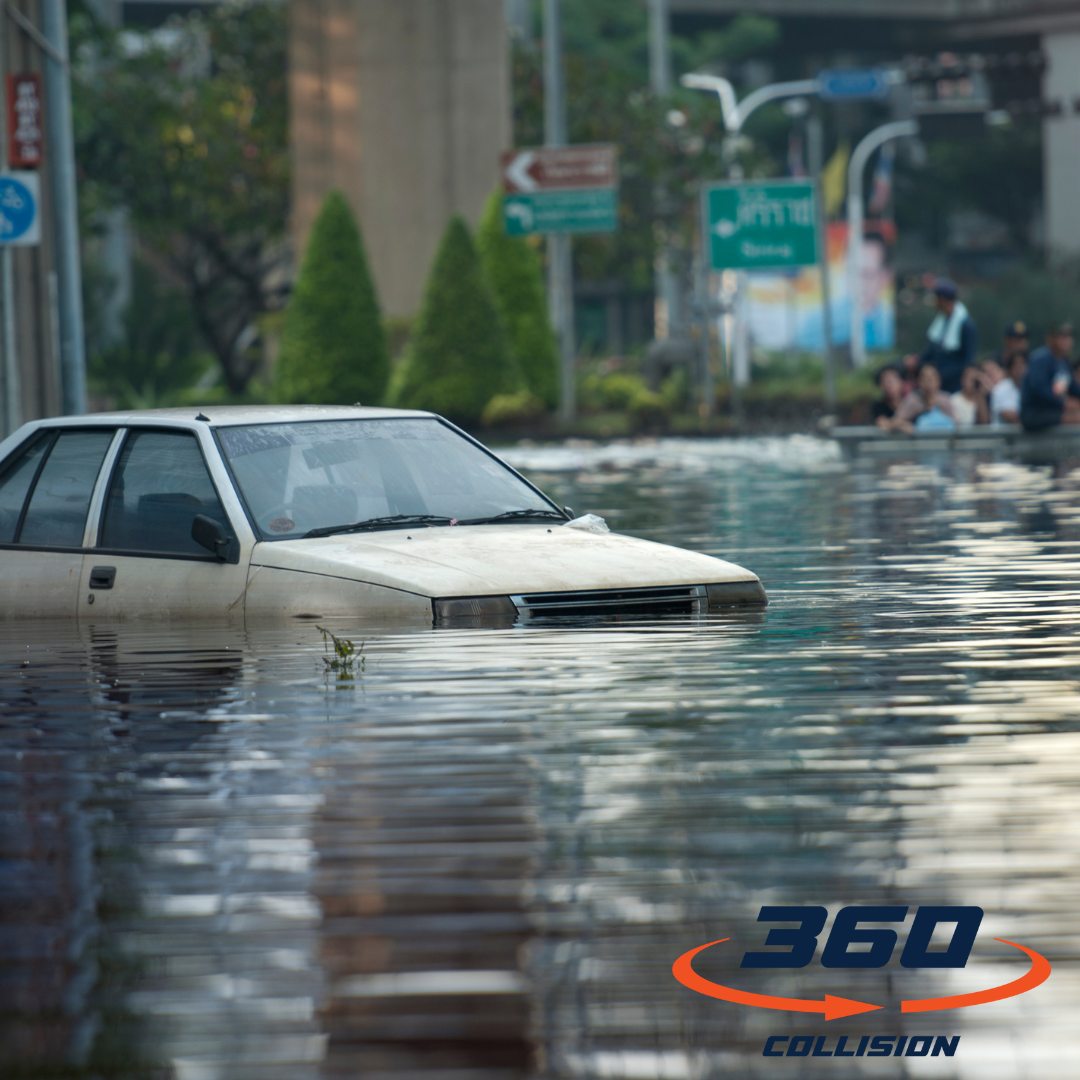

Fall in San Antonio always feels like it sneaks up on us. The kids are back in school, pumpkin spice is everywhere, and football season is in full swing. But along with the fun, we also get another familiar visitor — storm season. September is right in that window when heavy rains and flash floods tend to roll through our city.
I’ve seen it happen too many times: folks head out for errands or a Friday night game, only to find themselves caught in rising water they didn’t expect. And when that happens, it’s not just your shoes that take a soaking. Your car can pay the price in ways you might not notice until much later.
As someone who works on cars every day — and as a mom who knows the headache of being without a reliable vehicle — I want to share what flood damage really looks like, what you should do right away if your car gets caught, and how we help families in San Antonio get back on the road safely.
Signs Your Vehicle Has Flood Damage
After a storm, it’s tempting to think, “Well, the car started, so it must be fine.” I can’t tell you how many times I’ve heard that — and how many times those same cars ended up back in the shop weeks later with bigger problems.
Here are some of the most common signs of flood damage I see, especially after our heavy San Antonio rains:
Water lines or mud inside the car – If you notice a visible water line on your doors or seats, or mud tucked into corners of the carpet, that’s a red flag. Even a few inches of water inside your car can cause electrical systems to short out.
Electrical glitches – Windows that don’t roll up right, dashboard lights flickering, a radio that cuts in and out. Those aren’t “quirks,” they’re early warning signs that water has gotten into wiring or sensors.
Strange smells – If your car smells like mildew or musty gym socks, that means water has lingered where it shouldn’t. Mold starts quickly in our humid fall weather.
The dreaded “won’t start” moment – If your car was sitting in high water and now it won’t start, don’t keep trying. Forcing it can cause more damage to the engine. At that point, the safest step is to tow it to a trusted shop.
I’ve seen families head home from a high school football game or back-to-school event, get caught in a sudden downpour, and not realize how much water their car took on until days later. Don’t brush it off — if you spot any of these signs, your best bet is to get your car looked at before the problems multiply.
What to Do Immediately After a Flood
When floodwaters hit, your first instinct might be to check if the car will start so you can just get home. Please don’t do that. As someone who’s repaired more flood-damaged cars than I can count, I can tell you that trying to start a soaked engine or flooded electrical system almost always makes things worse.
Here’s the order of steps I recommend every driver take:
1. Put safety before everything else.
If your car was sitting in high water, don’t climb in until you’re sure it’s safe. Floodwater often hides sharp debris or even chemicals, and stepping into it barefoot or in flip-flops (which I know is common around here) can be dangerous.
2. Do not try to restart the car.
It’s natural to want to turn the key and see what happens. But water in the intake or cylinders can cause what’s called “hydrolock,” where the engine seizes up. Once that happens, you’re no longer looking at a repair — you’re looking at a replacement.
3. Call your insurance company right away.
Flood damage is typically covered under comprehensive insurance, but they need documentation fast. Take photos of the water line on your car, the interior, and any visible mud or debris. Wide shots and close-ups both help. If you’re standing in a flooded parking lot after a football game or Fiesta event, those photos may make the difference in how smooth your claim goes.
4. Arrange for towing — and know where it’s going.
This is where many people get tripped up. If police or city tow your car after a flood, it doesn’t just go to any lot. That’s why being on the City Tow Facility list matters. At 360 Collision, we’re one of those approved facilities in San Antonio. Which means your car can come straight to us, where it’s safe, secure, and in line for inspection instead of sitting in an impound lot.
5. Remove your personal belongings.
This is something a lot of people forget in the chaos. Take out your kids’ backpacks, gym gear, phone chargers, even your garage opener. Not only can water ruin them, but they also become attractive to thieves if your car ends up unattended in a lot.
As both a repair professional and a mom, I know how overwhelming it feels to juggle a family schedule while dealing with something as stressful as flood damage. That’s why my advice is always the same: slow down, protect your safety, and lean on professionals who can guide you through the next steps. Acting carefully in those first few hours can make the difference between a repairable car and one the insurance company declares a total loss.
Can Flood-Damaged Cars Be Repaired?
This is the big question I get every time heavy rains sweep through San Antonio: “Is my car even fixable after a flood?” The answer isn’t one-size-fits-all. It depends on how much water got in, how long it sat, and which systems were touched.
Here’s the breakdown from an expert’s perspective:
Cosmetic Flood Damage – Usually Repairable
If the water only made it into your carpets or upholstery, we can usually clean, disinfect, and restore the interior. Mold and mildew are the biggest risks here, so acting quickly matters. I’ve seen families delay cleaning for just a week and end up with interiors that smelled like a swamp. That’s why we use specialized tools and products to prevent long-term issues.
Electrical & Sensor Damage – Repairable, but Complex
Modern cars rely heavily on electronics. If floodwater reached wiring, dashboard systems, or safety sensors (like lane assist or airbags), repairs can be more involved. At 360 Collision, our certified techs use advanced diagnostics to test these systems instead of guessing. Sometimes a simple module replacement fixes the issue. Other times, insurance may need to step in if the damage runs deep.
Engine & Frame Damage – Often Severe
If your car was submerged to the engine bay or higher, water may have entered the intake, fuel system, or even caused structural rust. That’s when repairs can cross into “total loss” territory. According to FEMA, insurers will often declare vehicles totaled when flood damage affects the engine or electronics beyond safe repair.
The Insurance Factor
Whether your car is repairable often comes down to insurance. Comprehensive policies typically cover flood damage, but if you only carry liability, you may be on your own. The good news is, we’re not just repair experts — we also walk families through the claim process. We’ve worked with all major insurers, and because we’re a City Tow Facility, your car can come directly to us for both storage and repair estimates. That saves you time and cuts down on hassle.
The bottom line is this: not every flood-damaged car is doomed. Many can be brought back to life, and some just need cosmetic or sensor work. The key is getting a professional inspection right away so the small issues don’t snowball into big, costly problems.
Insurance & Flood Claims in San Antonio
I know dealing with insurance can feel more stressful than the storm itself. As a mom juggling school drop-offs, grocery runs, and a business, I get how overwhelming it is to face paperwork and phone calls after something as chaotic as a flood. But here’s the good news: flood damage is usually covered under comprehensive insurance, which is different from liability coverage.
Here’s what you need to know:
Comprehensive Policies Cover Floods
If you carry comprehensive insurance, your policy typically includes flood damage — whether that’s soaked upholstery, electrical system failure, or a car that won’t start at all. The Texas Department of Insurance explains that comprehensive coverage protects against “non-collision” events like storms, hail, and yes, floods. If you only have liability coverage, though, the costs may fall on you.
Act Quickly and Document Everything
Insurance companies expect fast action. Take clear photos of your car’s condition before you move it, including water lines, mud, and any visible damage. These photos will make your claim smoother.
Why a City Tow Facility Helps
Here’s where we make life easier: because 360 Collision is a City Tow Facility, your car can come straight to us after a flood. That means it’s secure, it’s not sitting in an impound lot, and we can start the inspection process right away. We also send detailed estimates directly to your insurer, which speeds up the repair approval process.
We Work With Insurers Daily
From Allstate to State Farm, we’ve helped families across San Antonio handle claims without the usual headaches. Customers tell me all the time how relieved they felt when we handled the back-and-forth with adjusters so they didn’t have to.
Filing a claim may feel like one more chore on an already long list, but with the right shop by your side, it doesn’t have to be a nightmare. We guide you step by step — from the photos you need to what to expect in timelines and costs.
How 360 Collision Handles Flood Repairs
Flood damage can be tricky. I’ve seen cars that look fine on the outside but hide serious electrical problems under the hood, and others where the water damage was obvious the second you opened the door. That’s why at 360 Collision, we don’t just dry things out and send you home — we take a complete, step-by-step approach to make sure your car is safe, reliable, and ready to get your family where they need to go.
Here’s what that looks like when you bring your vehicle to us:
1. Detailed Diagnostic Check
We start with a thorough inspection. That means checking the frame, the undercarriage, and the wiring for any hidden damage. Electrical systems are especially vulnerable after a flood. Something as small as a shorted sensor can affect your airbags, backup camera, or lane assist features. We use advanced diagnostic tools to pinpoint these issues before they become safety risks.
2. Interior and Mold Prevention
One of the biggest challenges after flood damage is moisture that seeps into seats, carpets, and padding. Left untreated, it can turn into mold that spreads fast in our humid San Antonio climate. We remove water-damaged materials where needed, dry the interior thoroughly, and treat surfaces to prevent mildew. That means your car not only looks better, but it also smells fresh and safe to drive again.
3. OEM-Quality Replacements
If water has damaged wiring, sensors, or other components, we replace them with OEM-quality parts. This ensures your car’s safety systems work exactly as intended. Shortcuts here can compromise both performance and safety, and that’s never an option in my shop.
4. Paint, Frame, and Cosmetic Repairs
Flood damage often comes with scratches, dents, or chipped paint from debris. Our team handles paint matching and refinishing so your car doesn’t just run well — it looks like new again. If the frame has shifted from water pressure or debris impact, our frame repair specialists restore it to factory specifications.
5. Insurance Coordination and City Tow Facility Advantage
Because we’re a City Tow Facility, your car can come straight to us for repairs. No waiting around in an impound lot. We’ll handle the estimate, communicate directly with your insurance company, and keep you updated every step of the way. That means less stress for you and a faster turnaround for your repairs.
6. Lifetime Limited Warranty
Every repair we do comes with our lifetime limited warranty. I stand by the work my team delivers, and I want you to feel confident knowing the repairs will last.
At the end of the day, it’s not just about fixing a flooded car — it’s about restoring peace of mind. Families across San Antonio trust us because we combine experience, transparency, and care in every repair.
Flood Damage FAQs
When storms roll through San Antonio, we get a lot of the same questions from customers who are worried about their vehicles. Let’s clear up some of the most common ones.
Is a flood-damaged car repairable?
It depends on the level of damage. If water only reached the carpets or caused minor cosmetic issues, repairs are usually straightforward. But if water made it into the engine or electrical systems, repairs become more complex. At 360 Collision, we run a full diagnostic so you know exactly where your car stands before making decisions.
Does insurance cover flood damage in Texas?
Yes — but only if you carry comprehensive coverage. Liability-only policies do not cover weather-related damage. The Texas Department of Insurance has a good breakdown of what’s included in comprehensive policies (source). If you’re unsure, bring your policy with you and we’ll help you sort through what’s covered.
Should I try to start my car after a flood?
No. Turning the key can pull water deeper into your engine and electrical systems, making things worse. The best move is to tow it directly to a trusted shop like ours. Because we’re a City Tow Facility, your car can come straight to us without the extra hassle or fees.
How much does flood repair cost in San Antonio?
Costs vary depending on what’s damaged. Cosmetic repairs like paint and interior cleaning may run a few hundred dollars, while major electrical or engine repairs can cost several thousand. According to Consumer Reports, insurers often “total” vehicles when repairs exceed a percentage of the car’s value. That’s why a detailed inspection is so important — it helps you make an informed decision before spending money.
🛠️ 360 Collision Tip: If you’re ever unsure whether your car is safe after flooding, don’t take chances. A free inspection now could save you from expensive surprises later.
Don’t Wait to Address Flood Damage
San Antonio weather has a way of sneaking up on us. One week you’re enjoying pumpkin spice lattes and Friday night lights, and the next, your neighborhood streets are filling up with stormwater. Flood damage doesn’t wait around — it spreads, corrodes, and creates bigger problems the longer you leave it.
At 360 Collision, we know how much your vehicle means to your daily life. It’s not just transportation. It’s how you get your kids to school, how you make it to work, how you show up for your family and friends. That’s why we’ve built a shop you can count on when weather throws the unexpected your way.
Whether your car needs cosmetic cleanup, electrical diagnostics, or a full repair plan, we’ll walk you through every step. As a certified City Tow Facility, your vehicle can come straight to us after a storm — no confusion, no extra steps. We also work directly with insurance companies to make the claims process less stressful.
📞 Call us today or 💻 schedule your free flood damage inspection online. The sooner you act, the more options you have — and the less you’ll spend in the long run.
Because in San Antonio, we can’t stop the rain from falling, but we can make sure your car is ready to carry you safely through whatever comes next.