
Quick answer:
Paint protection helps shield your vehicle’s clear coat from Texas sun, spring pollen, bug splatter, and road debris that can dull and damage the finish over time. The best option depends on how you drive and where you park, but a professional inspection can help you choose the right protection plan for your vehicle in San Antonio.
Spring in San Antonio is beautiful, but it is rough on vehicles. The pollen hits, the bugs come out, construction dust settles everywhere, and the sun starts cooking your clear coat again like it never took a break. If you have ever washed your car and thought, “Why does it already look dirty,” you are not imagining it. This is exactly the season when paint starts to take daily micro-damage.
As a mom and a shop owner, I think about paint protection differently than most people do. It is not just about shine. It is about protecting the finish you already paid for, preserving resale value, and preventing small issues from turning into bigger repairs. I see the long-term effects in the shop, faded clear coat, chipped front ends, and scratches that started as something tiny and slowly spread.
If you are searching for paint protection San Antonio, you are probably trying to answer one simple question: what is actually worth it here. This guide breaks down the options in plain language, what works best for daily drivers versus luxury vehicles, and what to do if your paint already has chips or scratches before you protect it.
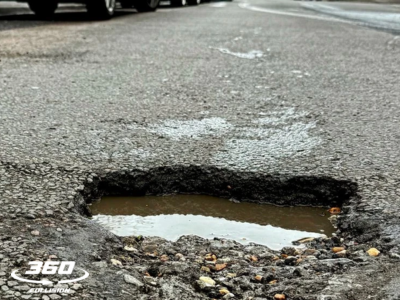
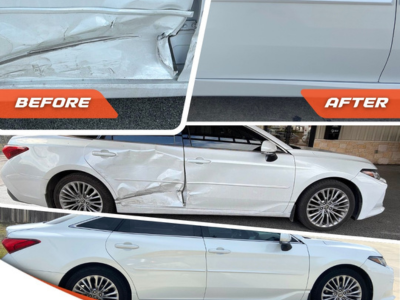
If your vehicle already has damage from a parking lot scrape, a road impact, or a recent incident, start with auto body repair or collision damage repair so the surface is corrected before protection is applied. If you recently took a hard road hit, our pothole damage guide explains what to check first.
Why spring is rough on paint in San Antonio
Spring is when we see the most “slow damage” to vehicle paint in San Antonio. Nothing dramatic happens in one day. It is more like a daily grind. UV exposure, pollen, road grit, and bug splatter all work together to wear down your clear coat little by little until the finish looks dull, rough, or stained even after a wash.
Texas sun is the obvious one. UV exposure breaks down clear coat over time, especially on vehicles that sit outside. Once clear coat starts failing, it becomes harder to clean and easier to scratch. What many drivers do not realize is that spring is often when the damage accelerates because the sun returns with more intensity, and your paint is already coming out of winter with residue and buildup on the surface.
Pollen is another big issue here. It is not just dusty. Pollen sticks, clings to moisture, and collects in seams and edges. If it is left on the surface too long, especially when it gets wet, it can create staining and a gritty film that scratches paint during washing.
Bugs are a major factor too, and they are not harmless. Bug splatter contains organic acids that can etch into clear coat, especially when the vehicle sits in the sun after a drive. The longer it stays, the harder it is to remove without aggressive scrubbing, which is where swirls and micro-scratches often start.
Add in spring rain, which leaves spotting as it dries, plus road debris and construction dust from all the work happening around San Antonio, and you have a recipe for constant paint wear. This is why so many people start searching for paint protection San Antonio right about now. They can see the finish changing, and they want to stay ahead of it.
The good news is that spring damage is preventable when you have the right protection plan. The best option depends on your vehicle, your budget, and how you actually drive. Let’s talk about what those protection options look like in real life.
The three levels of paint protection, explained simply
Most people think paint protection is one product. In reality, it is a range of options, and the best choice depends on how you use your vehicle. A daily driver parked outside all day needs a different strategy than a garage-kept luxury vehicle that only comes out on weekends. My goal is to keep this simple and honest so you can choose what makes sense for your life in San Antonio.
Level 1: Smart maintenance and a quality sealant
This is the foundation. Proper washing, safe drying, and a good sealant help protect your clear coat from buildup and make the vehicle easier to clean. It is the most budget-friendly approach and a strong choice for many daily drivers. The biggest benefit is reducing how much pollen, bugs, and road film cling to the paint.
Level 2: Coating-style protection for easier cleaning and longer shine
Many drivers want something stronger than a basic sealant. Coating-style protection helps resist spotting and makes washing easier, especially during spring when the vehicle gets dirty fast. It does not make your paint invincible, but it can reduce how quickly the finish dulls and how much scrubbing is needed to keep it clean.
Level 3: Film protection for impact-prone areas
If your biggest concern is rock chips, road debris, and front-end wear, film protection can be a strong option. It is commonly applied to high-impact areas like the hood edge, bumper, mirrors, and front fenders. This is especially popular for luxury vehicles and collectors because it helps preserve the finish and reduces visible wear in the areas that take the most abuse.
Here is the part people often miss. Paint protection works best when the surface underneath it is in good shape. If your vehicle already has scratches, chips, scuffs, or previous damage, it is smart to correct that first so you are not sealing in problems. If your paint was damaged by a scrape or impact, start with auto body repair. If the damage came from a collision, even a small one, collision damage repair is the right starting point.
Now let’s talk about what we recommend for different types of drivers, because “best paint protection” is not one-size-fits-all in San Antonio.
What we recommend for daily drivers versus luxury and collector vehicles
This is where I get very practical, because the right paint protection plan depends on how you actually live. A vehicle that sits in a school pickup line every day and parks outside at work is going to face different damage than a garage-kept weekend vehicle.
For daily drivers in San Antonio
Daily drivers take constant exposure. Sun. Pollen. Bugs. Road grime. Parking lot door dings. It is not one big event, it is the steady wear of everyday life. For most daily drivers, the best plan is protection that makes cleaning easier and reduces clear coat wear over time.
The goal is not to chase perfection. The goal is to keep the finish healthy, prevent early fading, and reduce the micro-scratches that build up from repeated washing and spring buildup. If your vehicle already has a few scratches or scuffs, it is better to address those first so the finish is corrected before protection is applied.
For luxury vehicles and collectors
Luxury and collector vehicles have a different standard. Owners often care about resale value, finish integrity, and minimizing anything that shows wear. These vehicles also often have paint systems that are more complex, including multi-stage finishes that are more expensive to repair.
For high-end vehicles, impact-prone areas matter most. Front bumpers, hood edges, mirrors, and leading fender areas take the brunt of rock chips and debris. Protection planning here is often about preserving the areas that get hit first and keeping the finish looking consistent over time.
Another reason collectors choose protection is that repainting can reduce perceived value if it is done poorly or mismatched. A protected factory finish is often easier to maintain than a repaired finish, especially over years of ownership.
No matter what you drive, the same principle applies. If your vehicle has existing impact damage, chips, or scuffs, you want the surface corrected first. Start with auto body repair when damage is cosmetic, and use collision damage repair when damage came from an impact. If a road hit also affected mounting points or structural areas, frame repairs may be part of the evaluation.
Next, let’s talk about what to do if you already have chips or scratches right now, because that is the situation for most vehicles in spring.
What to do if you already have chips, scratches, or scuffs
Most vehicles in San Antonio have some level of paint wear by spring. Rock chips on the front end, scratches from brushes or automatic washes, scuffs from parking lots, and little marks that seemed small at the time. The mistake many drivers make is applying protection over paint that already needs correction.
Paint protection is not magic tape that hides damage. It is a shield for the finish that is already there. If the surface underneath has chips, cracking clear coat, or deep scratches, those issues remain. In some cases, sealing the surface without proper correction can make future repair more difficult because the damage is now covered instead of addressed.
This is why we always start with an honest assessment. We look at the depth of the damage, the location, and whether it is only in the clear coat or deeper into the paint. Then we help you decide what should be corrected before protection is applied.
Here are three common situations we see:
- Light surface scratching and swirl marks: These often come from washing and drying habits. Correction may be possible without repainting, depending on severity.
- Rock chips and paint chips on the hood and bumper: These can expose lower layers. If exposed areas are left untreated, it can lead to long-term finish breakdown.
- Parking lot scuffs and deeper scratches: These usually require professional refinishing to restore the finish properly.
If the damage is cosmetic and localized, start with auto body repair so the surface is corrected before protection is applied. If the damage came from an impact, even a low-speed one, collision damage repair is the better starting point because there may be underlying stress in bumper mounts and reinforcement areas.
One of the biggest authority markers in paint work is matching. Paint is not just “white” or “black.” It is a formula, and San Antonio sun changes how finishes age over time. The right approach is proper prep, proper paint materials, and a controlled environment. That is why professional paint repair matters before protection. If the foundation is wrong, the protection will not save it.
Next, let’s clear up one of the most confusing questions we hear. Should you correct paint, repaint paint, or simply protect what you have. The answer depends on the damage and your goals.
How to choose the right shop for paint protection in San Antonio
If you are searching for paint protection San Antonio, you are going to see a wide range of promises. Some will sound amazing. Some will sound cheap. The problem is that paint protection is only as good as the prep work and the standards behind it. That is where most disappointments happen.
A trustworthy shop will start by looking at your paint in proper lighting and telling you the truth about what they see. They should explain what is surface-level wear, what is deeper damage, and what needs to be corrected before protection is applied. If someone tries to sell protection without looking at the paint first, that is a red flag.
You also want a shop that understands repair standards, not just appearance. Paint is part of a larger system. If a bumper was impacted, if a panel is slightly misaligned, or if there is hidden damage under a surface scuff, paint alone does not solve the real issue. This is why collision experience matters even when you are “just protecting paint.” A shop that handles collision damage repair understands what can be hiding behind a clean-looking bumper cover.
Here are a few quality signals that matter in San Antonio:
- Clear explanation of options: You should understand the plan, not just the price.
- Proper repair prep: Prep determines how long the finish holds up in Texas sun.
- Professional paint standards: Paint matching and clear coat integrity matter for long-term durability.
- Honest recommendations based on your use: A daily driver and a collector vehicle do not need the same approach.
In our shop, we approach paint protection with the same mindset we bring to repairs. It should be done correctly or not done at all. That means correcting the surface when needed, repairing damage properly before sealing it in, and helping the customer choose an approach that matches how they actually drive and park in San Antonio.
Now let’s close with a practical next step. If you are thinking about protecting your paint this spring, here is what I recommend doing first so you make the right choice without wasting money.
Frequently Asked Questions About Paint Protection in San Antonio
What is the best paint protection for Texas sun?
The best option depends on how you drive and where you park. Vehicles parked outside daily often benefit from protection that reduces UV wear and makes cleaning easier, while high-impact areas may need stronger protection to reduce chips.
Is ceramic coating worth it in San Antonio?
It can be, especially if you want easier cleaning and less buildup from pollen, bugs, and road film. It does not prevent all chips or scratches, but it can help preserve a clean finish when maintained properly.
Does paint protection film damage paint?
When installed correctly on healthy paint, film protection is designed to protect the surface. Paint condition and prep matter, so it is best to inspect and correct issues before applying protection.
Can I protect my paint if it already has scratches or chips?
Yes, but it is usually best to correct chips and scratches first. Protection should seal in a clean, corrected surface, not cover existing damage.
How long does paint protection last?
Lifespan depends on the type of protection, exposure to sun and weather, and how the vehicle is washed and maintained. A shop can recommend what fits your driving habits in San Antonio.
What is the difference between paint correction and repainting?
Paint correction improves the existing finish when the paint is intact. Repainting is needed when the paint or clear coat is compromised by deeper scratches, chips, or clear coat failure.
Should I fix a scuff or scrape before doing paint protection?
Yes. If the paint is damaged, it is best to repair it first so the protection is applied over a properly restored surface and holds up long term.
Can a parking lot bump affect paint and body even if it looks minor?
Yes. Modern bumpers and panels can hide internal stress. If the damage came from an impact, it is smart to inspect for hidden issues before focusing only on cosmetic protection.
Final thoughts from Kelly
Spring in San Antonio is hard on paint, and most of that damage happens quietly. It is pollen buildup that turns into micro-scratches during washing. It is bug splatter that bakes into clear coat. It is sun exposure that slowly dulls the finish until the vehicle looks older than it is.
The reason I care about paint protection is not because I want every car to look like it belongs in a showroom. I care because I see what happens when people wait until the clear coat fails, chips spread, and repairs become more expensive than they needed to be. A little prevention now can save you a lot of frustration later.
If you want to know what will actually work for your vehicle in San Antonio, start with an honest inspection. We will look at your paint under proper lighting, tell you what condition it is really in, and help you choose an option that fits how you drive and where you park. If you need repairs first, we will guide you to the right starting point, whether that is auto body repair for cosmetic concerns, collision damage repair for impact-related damage, or frame repairs if structural verification is needed.
If you are ready to protect your finish this season, schedule a consult and we will make a plan that keeps your paint looking its best all spring and summer.