
Quick answer:
Before a graduation road trip, new drivers should check tires, brakes, lights, and windshield visibility, then keep an accident checklist in the glovebox. If a crash happens, safety comes first, then photos, information exchange, and reporting when required. Modern vehicles may also need inspection and ADAS verification after even minor impacts.
Graduation season is exciting, and it also changes how families drive. Suddenly your teen is taking longer trips, driving in new areas, carpooling friends, and navigating highways and parking lots without you in the passenger seat. As a mom and collision repair shop owner, I love seeing new drivers step into independence. I also know that the first road trip is often when small mistakes and small impacts happen.
Most parents do not worry about a major crash. They worry about the everyday stuff. A curb hit in a tight parking lot. A scrape in a drive-through. A distracted moment at a stoplight. A quick lane change on the highway. Those “minor” incidents can still cause real damage, especially on modern vehicles with sensors, cameras, and precise alignment systems.
This guide is designed to help you protect your graduate’s vehicle before the trip, and to give your new driver a clear plan if an accident happens. We will cover what to keep in the car, what steps to take immediately after a crash in Texas, and why ADAS calibration matters more than most people realize.
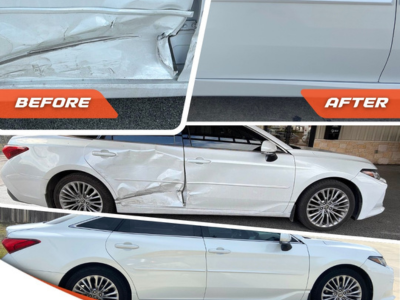
If the vehicle already has impact damage, start with collision damage repair. If the concern is cosmetic, like scuffs or scraped panels, start with auto body repair. If there are concerns about alignment or structural integrity after a curb hit, we can also evaluate through frame repairs.
Before the road trip: the parent checklist that prevents most problems
Most graduation road trip problems are not dramatic. They are preventable. A low tire that overheats on the highway. Wipers that smear when a storm hits. Headlights that are dim at night. A spare tire that is flat when it is needed most. These are the little things that turn into big stress when your new driver is hours from home.
The goal is not to make your graduate anxious. The goal is to give them confidence and keep you from getting the “Mom, I don’t know what to do” call at the worst possible time. Here are the checks I recommend before a long Texas drive.
- Tires and tire pressure: Check pressure and tread. Make sure the spare is usable, not just present.
- Brakes and steering feel: If the vehicle pulls, vibrates, or feels unstable, address it before the trip.
- Headlights, brake lights, and signals: Visibility and predictability prevent accidents.
- Windshield and wipers: Clear vision matters more than people realize on highway drives.
- Fluids and overheating risk: A simple check can prevent being stranded on the shoulder.
- Emergency basics: Phone charger, water, first-aid basics, and a small roadside kit.
- Accident checklist in the glovebox: If a crash happens, the first minutes matter.
If anything feels off before the trip, it is better to address it now than to hope it holds together for a long drive. If the concern is impact-related, start with collision damage repair. If it is cosmetic wear or scraped panels, start with auto body repair. If the vehicle took a curb hit and now pulls or vibrates, we can also verify structural and alignment concerns through frame repairs.
Next, let’s talk about the most important part for new drivers. If an accident happens, what should they do in the first few minutes so they stay safe and protect the claim.
What a new driver should do after a car accident
Most new drivers do not freeze because they do not care. They freeze because they have never been there before. Their heart is racing, their hands are shaking, and they are trying to remember what they were told. This is why having a simple plan matters. It turns a scary moment into a clear sequence.
If you are a parent, this is a good section to read out loud and save. If you are a new driver, screenshot it. These steps apply in Texas, and they work whether the accident is big or small.
Step 1: Breathe, then check for injuries
Take one deep breath. Then check yourself and passengers for injuries. If anyone is hurt, call 911 immediately. If there is a fire risk, smoke, or the vehicle is not safe to stay in, get to a safer location.
Step 2: Move out of danger if you can
If the vehicles can be moved safely, pull out of active lanes. Turn on hazard lights. Secondary accidents happen when people stop in traffic, especially on Texas highways.
Step 3: Take photos before anything changes
Photos protect you. Take wide shots that show vehicle position, then close-ups of damage, license plates, and the surrounding area. If it is safe, capture street signs and road conditions. If you have dash cam footage, save it.
Step 4: Exchange information calmly
Exchange names, phone numbers, insurance information, and vehicle details. If there are witnesses, ask for a name and phone number. Do not argue fault at the scene. Keep it simple and factual.
Step 5: Call a parent and open the claim
New drivers should call a parent or trusted adult as soon as it is safe. Then report the claim promptly. Keep the claim number, adjuster contact, and instructions in one place.
Step 6: Do not keep driving if the car feels unsafe
A vehicle can look fine and still be unsafe. If the steering feels unstable, the car pulls hard, you see fluid leaking, warning lights appear, or the tires are damaged, do not drive it. Get it towed and inspected.
After an accident, an inspection is how you protect both safety and value. If the damage came from an impact, start with collision damage repair. If the damage is cosmetic, such as scraped panels or bumper scuffs, start with auto body repair. If a curb hit or impact affected alignment or structure, we can also verify through frame repairs.
Next, let’s talk about something most new drivers have never heard explained clearly. What ADAS calibration is and why it matters after even minor accidents.
What is ADAS calibration and why does it matter for new drivers
ADAS stands for Advanced Driver Assistance Systems. If your vehicle has features like lane keep assist, forward collision warning, automatic emergency braking, blind spot monitoring, or adaptive cruise control, it is using cameras and sensors to “see” the road. Those systems are designed to help prevent accidents, which is exactly why they matter so much for new drivers.
Here is the part most people do not realize. These systems rely on precise positioning. A camera behind the windshield and a sensor behind the bumper are mounted at very specific angles. Even a minor impact can shift a bracket or mounting point just enough to affect accuracy. The system may still turn on, but it may not read distance or lane position correctly.
This is why calibration and verification are so important after certain repairs. If the vehicle had front-end damage, bumper damage, windshield replacement, or impact near sensor areas, the cameras and sensors may need to be calibrated back to factory accuracy. This protects the driver because those systems are only helpful when they are accurate.
New drivers tend to have more low-speed incidents, curb hits, and parking lot bumps. Those are exactly the types of impacts that can affect sensor mounting areas without obvious visual damage. If a teen says, “It was just a little bump,” it is still worth checking, because modern vehicles can hide damage under a clean-looking bumper cover.
If a vehicle has been in a collision, start with collision damage repair so we can evaluate impact areas properly. If the issue is cosmetic, start with auto body repair. If alignment or structural verification is needed after a curb hit or impact, frame repairs helps confirm the vehicle is still tracking and handling safely.
Next, we will cover the most common graduation road trip problems we see and the simple rule that helps parents and new drivers know when to get the car checked.
Common graduation road trip damage we see in Texas
Graduation trips are usually a mix of highway miles and busy stops. Gas stations, restaurants, hotels, crowded parking lots, and unfamiliar roads. That combination creates a predictable set of problems we see every year, especially with new drivers.
Parking lot bumps and scrapes
This is the number one issue. Tight spaces, distracted drivers, and low-speed contact. Scuffed bumpers, scraped panels, and paint transfer are common. The risk is hidden mounting point stress, especially on modern bumper systems. If something looks minor but feels loose, it is worth inspecting.
Curb hits and potholes
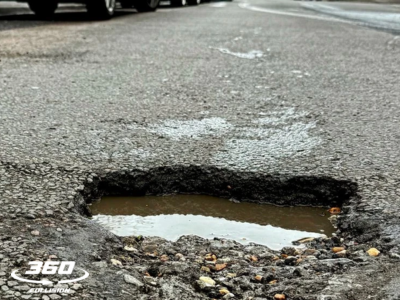
New drivers hit curbs. It happens. The concern is what comes next. Pulling, vibration, steering wheel off-center, and accelerated tire wear. A curb hit can also stress suspension components and alignment angles.
Rear-end collisions in stop-and-go traffic
Busy highways and sudden braking lead to rear-end collisions. Even minor rear-end impacts can cause hidden bumper reinforcement damage and sensor issues depending on the vehicle.
Animal impacts and unexpected hazards
Texas roads can include deer, debris, and sudden hazards, especially on rural routes. Even if the driver avoids a full impact, quick swerves can lead to curb hits or shoulder damage.
The common thread is this. Many of these incidents look small, but they can still affect handling, safety systems, and structural mounting points. If damage is impact-related, start with collision damage repair. If it is cosmetic, start with auto body repair. If the vehicle pulls or vibrates after a hit, frame repairs can help verify integrity and safe tracking.
Next, here is the simplest rule I give parents and new drivers. If the car feels different after an incident, do not guess. Get it checked.
Common graduation road trip damage we see in Texas
Graduation trips are usually a mix of highway miles and busy stops. Gas stations, restaurants, hotels, crowded parking lots, and unfamiliar roads. That combination creates a predictable set of problems we see every year, especially with new drivers.
Parking lot bumps and scrapes
This is the number one issue. Tight spaces, distracted drivers, and low-speed contact. Scuffed bumpers, scraped panels, and paint transfer are common. The risk is hidden mounting point stress, especially on modern bumper systems. If something looks minor but feels loose, it is worth inspecting.
Curb hits and potholes
New drivers hit curbs. It happens. The concern is what comes next. Pulling, vibration, steering wheel off-center, and accelerated tire wear. A curb hit can also stress suspension components and alignment angles.
Rear-end collisions in stop-and-go traffic
Busy highways and sudden braking lead to rear-end collisions. Even minor rear-end impacts can cause hidden bumper reinforcement damage and sensor issues depending on the vehicle.
Animal impacts and unexpected hazards
Texas roads can include deer, debris, and sudden hazards, especially on rural routes. Even if the driver avoids a full impact, quick swerves can lead to curb hits or shoulder damage.
The common thread is this. Many of these incidents look small, but they can still affect handling, safety systems, and structural mounting points. If damage is impact-related, start with collision damage repair. If it is cosmetic, start with auto body repair. If the vehicle pulls or vibrates after a hit, frame repairs can help verify integrity and safe tracking.
Next, here is the simplest rule I give parents and new drivers. If the car feels different after an incident, do not guess. Get it checked.
The simplest rule for parents and new drivers
If I could give every new driver and every parent one rule to follow, it would be this: if the car feels different after an incident, do not guess. Get it checked.
Most people wait for a warning light. The problem is that not every issue triggers a warning light right away. Many problems show up as small changes first. Steering that feels slightly off. A vibration at certain speeds. A bumper that looks fine but feels looser than it should. A safety feature that suddenly seems inconsistent.
Those changes are your vehicle communicating. It is telling you that something shifted, wore, or got stressed. The earlier you check it, the easier the solution usually is. The longer you wait, the more likely it becomes a bigger repair, especially if alignment is off and tire wear accelerates.
If you are dealing with impact damage, start with collision damage repair. If the issue is cosmetic, such as scraped paint or a scuffed bumper, start with auto body repair. If the vehicle pulls, vibrates, or feels unstable after a curb hit or pothole impact, frame repairs can help confirm safe handling and structural alignment.
Next, let’s close with a simple call to action that helps you protect your graduate’s vehicle before the trip, and helps you move quickly if something happens on the road.
Schedule a pre-trip inspection and know what to do if something happens
Graduation road trips should be about celebration, not stress. A quick inspection before the trip can help catch issues that cause breakdowns or unsafe handling, and it gives parents peace of mind that the vehicle is ready for highway miles.
If your graduate has already had a curb hit, pothole impact, or minor bump, it is worth checking before they travel. Small issues become big issues when you add distance, speed, and unfamiliar roads.
If something happens during the trip, come back to the basics. Safety first. Photos and documentation. Information exchange. Then get the vehicle inspected before assuming it is safe to keep driving long distances.
If you need help after an incident, start with collision damage repair. If the concern is cosmetic, start with auto body repair. If the vehicle feels off after a curb hit or impact, frame repairs helps verify safe handling and structural alignment.
A new driver does not need perfection. They need a plan. If you want help building that plan, we are here for you.
Frequently Asked Questions
What should a new driver do immediately after a car accident?
Make sure everyone is safe, call 911 for injuries, move to a safe location if possible, take photos, exchange information, and contact a parent or trusted adult. Then open the insurance claim and schedule an inspection.
What information should a teen driver collect at the scene?
Photos of the scene and damage, license plates, driver names and phone numbers, insurance details, and witness contact information if available. Save any report or incident number if police respond.
Should a new driver call the police after a minor accident?
If anyone is injured or the situation is unsafe, call 911. For minor accidents, response can vary. If police do not respond, strong documentation and information exchange help protect the claim.
What is ADAS calibration and why does it matter?
ADAS calibration restores cameras and sensors to factory accuracy after repairs. These systems support features like lane assist, braking alerts, and blind spot monitoring, and they only work correctly when properly aligned.
Do I need calibration after windshield replacement?
Many newer vehicles require camera verification or calibration after windshield replacement because the camera is often mounted near the glass. Requirements vary by vehicle.
Can a curb hit affect alignment and safety systems?
Yes. Curb hits can knock alignment out of spec and stress suspension parts. On some vehicles, impacts can also affect sensor mounting areas depending on location.
How soon should we get the car inspected after an accident?
As soon as possible. Early inspection helps identify hidden damage and prevents small issues from becoming bigger repairs, especially before long road trips.
Can parents choose the repair shop in Texas?
Yes. Insurance companies may recommend preferred shops, but Texas drivers can choose the repair facility they trust.
One last note for parents
Graduation season is exciting, and it is also a major transition. New drivers do not need to feel fear, but they do need a plan. A simple checklist in the glovebox and a quick inspection before a road trip can prevent a lot of stress.
If your graduate has a minor bump, a curb hit, or an accident on the road, focus on safety first, then documentation, then a professional inspection. It is always easier to solve small problems early than to deal with bigger repairs later.
If you need help, start with collision damage repair, auto body repair, or frame repairs if alignment or structural verification is needed.
The goal is simple. Protect the vehicle, protect the driver, and help them build confidence mile by mile.