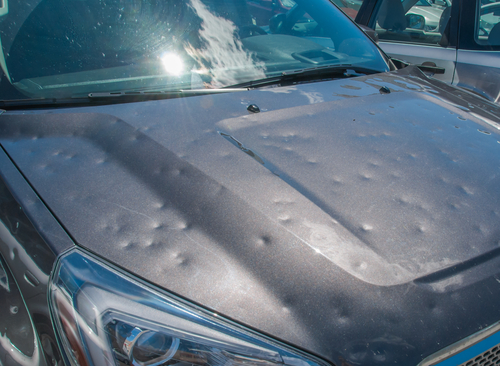

When severe weather strikes, vehicles are often left vulnerable to hail damage. Hail storms can cause significant damage to vehicles, including dents, dings, and scratches. Understanding the different types of hail damage and how they are repaired can help vehicle owners address the issue quickly and effectively. In this blog, we will explore the various types of hail damage and the repair process associated with each.
Types of Vehicle Hail Damage
1. Dents: One of the most common types of hail damage is dents. Hail stones can create small to large dents on the surface of the vehicle. These dents can vary in size and severity, depending on the size and intensity of the hail storm. Small dents may be barely noticeable, while larger dents can be prominent and affect the overall appearance of the vehicle.
2. Dings: Similar to dents, dings are also a common type of hail damage. Dings are typically smaller than dents and may appear as minor imperfections on the vehicle’s surface. While dings may not be as severe as dents, they can still detract from the vehicle’s overall appearance and value.
3. Scratches: Hail storms can also cause scratches on the vehicle’s surface. These scratches may range from minor surface scratches to deep gouges that penetrate the paint and expose the metal underneath. Scratches can diminish the vehicle’s aesthetic appeal and may lead to rust and corrosion if left untreated.
4. Cracks: In severe hail storms, vehicles may sustain cracks in their windshield or windows. Cracks can compromise the structural integrity of the glass and impair visibility while driving. It is important to address cracked glass promptly to ensure the safety of the driver and passengers.
5. Paint Damage: Hail stones can chip or peel the paint off the vehicle’s surface, leaving exposed metal susceptible to rust and corrosion. Paint damage not only affects the vehicle’s appearance but also reduces its resale value. Prompt repair of paint damage is essential to prevent further deterioration of the vehicle’s exterior.
Repairing Vehicle Hail Damage
1. Paintless Dent Repair (PDR): Paintless dent repair is a common method used to repair hail damage on vehicles. This technique involves massaging the dents out from the underside of the panel without the need for repainting. PDR is a cost-effective and efficient way to restore the vehicle’s appearance and maintain its original paint finish.
2. Traditional Dent Repair: For more severe dents that cannot be repaired through PDR, traditional dent repair methods may be necessary. This process involves filling and sanding the damaged area before repainting the panel to match the vehicle’s original color. Traditional dent repair is typically more time-consuming and expensive than PDR but may be required for larger or more complex dents.
3. Glass Replacement: Cracked or shattered glass must be replaced to ensure the vehicle’s safety and structural integrity. Automotive glass replacement services can replace damaged windshields, windows, and mirrors with new, high-quality glass that meets safety standards.
4. Paint Touch-ups: To address paint damage caused by hail stones, paint touch-ups may be necessary. Automotive technicians can match the vehicle’s paint color and apply touch-up paint to cover scratches, chips, and peeling areas. Paint touch-ups help restore the vehicle’s appearance and protect the metal from rust and corrosion.
5. Paint Protection: To prevent future hail damage and preserve the vehicle’s paint finish, consider investing in paint protection film or ceramic coating. Paint protection film is a clear, durable film that adheres to the vehicle’s paint surface to shield it from scratches, chips, and UV rays. Ceramic coating is a liquid polymer that creates a protective barrier over the paint, making it more resistant to environmental damage and easier to clean.
Summary
Vehicle hail damage comes in various forms, including dents, dings, scratches, cracks, and paint damage. To repair hail damage effectively, it is essential to understand the different types of damage and the repair process associated with each. Paintless dent repair, traditional dent repair, glass replacement, paint touch-ups, and paint protection are some of the methods used to restore hail-damaged vehicles to their pre-storm condition. By addressing hail damage promptly and utilizing the appropriate repair techniques, vehicle owners can protect their investment and maintain the aesthetic appeal of their vehicles for years to come.