
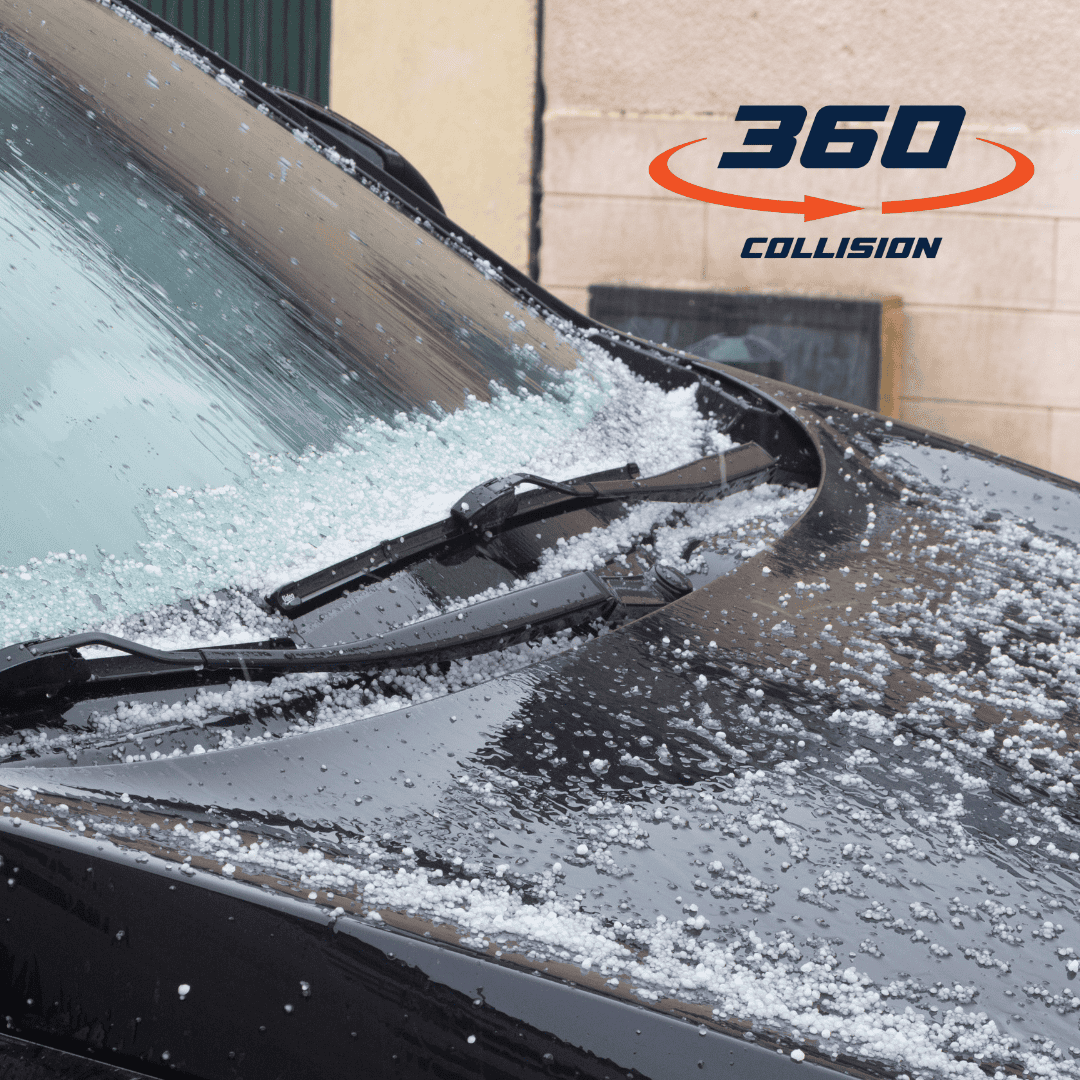

I’ve lived in Texas long enough to know we get all four seasons—sometimes in the same day. But I’ll admit, that last hailstorm caught even me off guard.
I was heading out with my youngest for a grocery run—sunroof open, music on—and by the time we hit the H-E-B parking lot, it felt like the sky decided to empty a bucket of golf balls on us.
And it wasn’t just a quick sprinkle.
On March 23, we saw hailstones as big as 3.5 inches hammering San Antonio. Over 48,000 homes were affected, and that doesn’t even touch the number of cars that came out looking like they’d gone a few rounds with a jackhammer.
Then, just yesterday, another storm rolled through with hail up to 1.5 inches and wind gusts topping 60 mph—this one hitting places like Potranco, Alamo Heights, and JBSA-Lackland. I had friends calling me from all over asking, “Is this even fixable?”
Here’s the thing: hail damage is one of those repairs that feels minor—until it isn’t. And I get it. You’ve got work, kids, bills, and a car that still drives, so why rush to fix a few dings?
But trust me—waiting can turn a quick fix into a costly headache.
That’s why I put this post together—to walk you through exactly what to do next if your car took a hit this spring, and how we can help you get it fixed without the stress.
Understanding Hail Damage: It’s More Than Just a Few Dents
It’s easy to brush off hail damage—especially when the car still runs fine and you’ve got a million other things on your plate. But what looks like “just a few dings” on the surface can turn into more serious problems if it’s left alone too long.
Here’s what hail can actually do to your vehicle:
-
Dings & Dents: Usually on the hood, roof, trunk, and side panels. Sometimes small, sometimes deep—and often dozens of them.
-
Cracked Windshields or Windows: Even pea-sized hail can cause a chip to spread into a full-blown crack. And if your windshield has ADAS (advanced driver-assistance systems), a crack can knock those sensors out of calibration.
-
Paint Damage: Hail doesn’t just dent—it chips. Once the paint is compromised, moisture gets in, rust sets in, and that little ding just became a full-body repair job.

I had a customer recently who said, “I didn’t think it was a big deal—it was just a little ding.” Two months later, that little ding was bubbling with rust, and the entire panel had to be replaced.

Here’s why that matters: the longer you wait, the more expensive the repair gets.
And if you’re planning to sell or trade in your car? Even small hail damage can significantly lower its value. Dealerships spot that stuff right away.
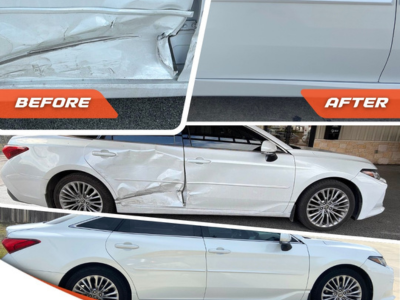
We post photos like this often on our site and socials, so you can see real results. Check out our Paintless Dent Repair page to see how clean this process can be.
The Repair Process: What Actually Happens When You Bring Your Car In
So your car’s taken a few hits. Maybe more than a few. You’re wondering what happens next, how long it takes, and how much it’ll run you.
Let’s break it down, start to finish.
Step 1: The Inspection (aka the car’s version of a check-up)
When you bring your vehicle in to 360 Collision, we start with a full assessment. That means walking around the vehicle with you, asking about the storm, and then carefully inspecting not just the surface—but underneath where damage likes to hide.
We’re looking for:
-
Dent size, shape, and location
-
Paint damage or chipping
-
Cracks in the glass or headlights
-
Damage to trim, moldings, and plastic parts
-
Any signs that sensors or safety features were knocked out of alignment
📸 We also take detailed photos for your records (and for insurance if you’re filing a claim).
Step 2: Choosing the Right Repair Method
There are two primary paths for hail repair:
1. Paintless Dent Repair (PDR)
This is the magic trick of the auto world. If the paint’s not chipped or cracked, we use specialized tools to massage the dent out from behind the panel—no sanding, filling, or repainting required.
PDR is:
-
Fast (sometimes same-day)
-
Affordable
-
Great for maintaining your car’s original paint
More info here: 👉 360 Paintless Dent Repair Services
2. Traditional Repair (for deeper damage or paint chips)
If the hail damage cracked the paint, or the dents are in hard-to-reach areas like panel edges or plastic bumpers, we’ll use traditional methods. That includes filling, sanding, repainting, and blending with your existing finish for a seamless look.
Yes, it takes a bit longer, but the result? Worth it.
Step 3: Windshield Repairs or Replacements
Hail loves glass. Even if the damage seems small, a chip can spread quickly—especially in Texas heat. If your windshield is chipped:
-
We may be able to fill it quickly with resin to prevent spreading (usually under $150).
-
If the crack is too large or near the edge? It’s time for a full replacement.
Bonus tip: Many newer vehicles have sensors in the windshield (like for lane assist). We handle recalibration in-house so everything works like it should when you leave.
More info 👉 360 Windshield Repair & Replacement
Step 4: The Timeline (Spoiler: We Don’t Like to Waste Time Either)
-
Paintless Dent Repair: Often completed same day or next day depending on how many dings we’re dealing with.
-
Traditional Repairs: Usually 2–5 days, depending on part availability and paint drying time.
-
Windshield Replacements: Often same day if parts are in stock.
We’ll give you a realistic timeline up front and keep you updated the whole way—no disappearing acts.
Choosing a Repair Shop: Who You Trust Matters
Let’s be honest—after a storm, there’s no shortage of pop-up repair crews and too-good-to-be-true deals. We’ve all seen the flyers under the windshield or the “We Fix Dents” signs staked at busy intersections.
But when it comes to repairing hail damage, your car isn’t just “another job.” It’s something you rely on every day to get your kids to school, show up to work, and make it through your never-ending to-do list. You want it done right—and you deserve that.
So how do you know who to trust?
Here’s what to look for:
✅ Certifications & Training
Shops that have I-CAR certified technicians (like ours) follow manufacturer standards and understand how to work on all makes and models—including newer cars with advanced tech.
✅ Experience with Hail Repair
You want a team that doesn’t flinch when they see dozens of small dents. Hail repair is an art form, and our techs do it every day. We’ve seen it all—and fixed it all.
✅ Clear Estimates and Communication
No vague pricing. No “we’ll let you know later.” We give you a detailed, written estimate and walk you through it in plain language so you understand every step.
✅ Warranty
If a shop doesn’t back their work, walk away. We offer a limited lifetime warranty on all repairs because we stand behind what we do.
✅ Great Reviews (from real people)
Don’t just take our word for it—our customers say it best. After a recent repair, Jan left us this note:
“My van looks very good! They had a problem getting the right door that wasn’t damaged, but they did an awesome job. I’m pleased and don’t know the names of you folks who worked on it, but thanks, even the inside is nice and clean. Thanks Josh and your beautiful helper at the front desk. I’m sorry I don’t remember your name, but appreciate your patience with this hearing impaired woman.”
– Jan Cloward, Local Guide
We’re in the business of fixing cars—but more importantly, we’re here to take care of people. That’s what sets us apart.
Insurance Help: What to Expect (And How We Make It Easier)
Filing a claim after a storm shouldn’t feel like you need a law degree and a stress ball. But let’s be real—insurance paperwork can be confusing, especially when you’re already overwhelmed trying to figure out what’s covered and who’s paying for what.
Here’s the good news: you don’t have to figure it out alone.
At 360 Collision, we work with all major insurance providers and can walk you through the entire process—from filing the claim to handling adjuster communication and submitting documentation. We’ve done this hundreds of times and know how to make it as painless as possible.
What does insurance usually cover?
If you carry comprehensive coverage, it typically includes:
-
Hail damage (dings, dents, cracked paint)
-
Windshield cracks caused by hail or flying debris
-
Damage to mirrors, trim, and exterior lights
-
Full or partial replacements of affected parts
Still unsure if your policy covers hail damage? Bring your car in and we’ll help you review it. We’ll even help you file the claim if you decide to go that route.
What’s the process like?
-
Get a professional inspection (we offer these for free)
-
File your claim with your provider (or we can help you with this step)
-
Schedule repairs once the claim is approved
-
We handle the back-and-forth with your adjuster and keep you in the loop
And remember: you’re not required to use the shop your insurance recommends. Texas law lets you choose the repair shop you trust. We’ve had customers tell us they didn’t know that—so now you do.
Whether you file a claim or pay out of pocket, our priority is making sure your vehicle is repaired correctly, safely, and affordably.
Preventing Hail Damage: A Little Prep Goes a Long Way
Look, we can’t stop hailstorms in San Antonio—but we can try to stay one step ahead of them. And while no prevention plan is foolproof (especially with how fast our weather changes), a few smart moves can definitely save you time and money.
A few quick tips to keep in your back pocket:
-
Use covered parking whenever possible—even a carport helps.
-
Download a weather alert app like MyRadar or WeatherBug to get notified when hail’s headed your way.
Want more practical ways to protect your car before the next storm?
Check out our post → “Hail Myths Busted”
Because while we’ll always be here to help after the storm, it doesn’t hurt to be ready before it hits.
Ding Happens—But You Don’t Have to Deal With It Alone
If this spring’s storms left your vehicle looking like it survived a round of dodgeball with the sky—you’re not the only one. We’ve seen it, fixed it, and we’re ready to help you through it too.
Whether it’s a hood full of dings, a cracked windshield, or just that one annoying dent you can’t unsee, you don’t have to wonder what it’ll cost or if it’s worth fixing—that’s what we’re here for.
At 360 Collision, we keep the process simple:
-
Fast, free inspections
-
Paintless dent repair & windshield replacement
-
Help with insurance if you need it
-
Honest answers from people who actually care
So if your car took a hit this hail season, let’s get it back to looking like it never happened.
📞 Call us today for a free hail damage assessment or
💻 Schedule online in just a few clicks.
And hey—next time the clouds roll in, at least you’ll know who to call.
Not sure what to check for after a hailstorm? Download our free checklist to catch damage early and avoid costly surprises later.




2 Comments