
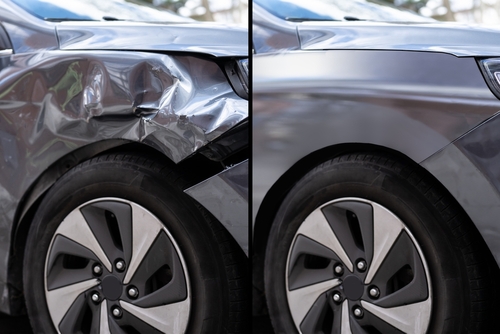

Assessing the Damage
The first step in the collision repair process is assessing the damage to your vehicle. This may involve a visual inspection by a professional technician or the use of specialized tools to identify any structural or mechanical issues. During this assessment, the technician will create an estimate detailing the necessary repairs, parts needed, and the overall cost of the repairs. Once the damage has been assessed, the repair shop will work with your insurance company to approve the repairs and determine coverage. This typically involves providing the insurance company with the estimate and any additional information they require to process your claim.Repairing the Damage
After the damage has been assessed and approved by the insurance company, the repair process can begin. This typically involves the following steps: 1. Disassembly: The damaged areas of the vehicle will be disassembled to assess any hidden damage that may not have been visible during the initial inspection. 2. Repairing Structural Damage: If there is any structural damage to the vehicle, this will be repaired using specialized equipment to ensure that the vehicle’s frame is restored to its original condition. 3. Body Work: Any dents, scratches, or other cosmetic damage to the vehicle’s exterior will be repaired using techniques such as sanding, filling, and painting to restore the vehicle’s appearance. 4. Mechanical Repairs: If there is any damage to the vehicle’s mechanical components, such as the engine, transmission, or suspension, these repairs will be completed during this stage of the process. 5. Reassembly: Once all repairs have been completed, the vehicle will be reassembled, and any necessary parts will be replaced to ensure that the vehicle is fully restored to its pre-accident condition.How Long Does Collision Repair Take?
The length of time it takes to complete collision repair can vary depending on the extent of the damage to your vehicle. Minor repairs, such as small dents or scratches, can typically be completed in a few days. However, more extensive damage that requires structural repairs or mechanical work may take longer to complete. In general, most collision repairs can be completed within a few days to a few weeks, depending on the availability of parts, the complexity of the repairs, and the workload of the repair shop. Your repair technician should be able to provide you with a more accurate timeline once the damage has been assessed and the repair process has begun.Choosing a Collision Repair Shop
When selecting a collision repair shop for your vehicle, it is important to choose a reputable and experienced shop that has a track record of delivering high-quality repairs. Look for a shop that is certified by industry organizations, employs trained and experienced technicians, and uses the latest technology and techniques to ensure that your vehicle is repaired correctly. Additionally, consider choosing a collision repair shop that offers a warranty on their work to ensure that you are covered in the event of any issues that may arise after the repairs are completed. By doing your research and selecting a trusted repair shop, you can have peace of mind knowing that your vehicle is in good hands and will be restored to its pre-accident condition.Summary
Understanding the process for collision repair and how long it typically takes can help alleviate some of the stress and uncertainty that comes with being involved in a collision. By working with a reputable repair shop, staying informed about the repair process, and knowing what to expect, you can ensure that your vehicle is repaired correctly and returned to you in a timely manner.Need a Car Body Shop in San Antonio, TX?
Frequently Asked Questions
A technician performs a visual inspection, sometimes using specialized tools, then creates a written, itemized estimate covering the necessary repairs, the parts needed, and the overall cost.
Repairs typically move through disassembly to check for hidden damage, structural repair if needed, body work such as sanding, filling, and painting, mechanical repairs if needed, and reassembly with any replacement parts.
Disassembly lets the technician find damage that was not visible during the initial inspection, so the repair plan and estimate can be adjusted before work continues.
No. Structural repair is only needed when the vehicle’s frame was affected. Minor collisions may only require body work such as sanding, filling, and painting.
It depends on the extent of the damage. Minor dent or paint repairs may take a few days, moderate damage typically takes longer, and repairs involving structural or mechanical work can take a few weeks depending on parts availability and shop workload.
Not right away. Your repair technician can give you a more accurate timeline once the damage has been assessed and the repair process has begun.
It is a reasonable step if you want to compare shops. A written, itemized estimate should always be free, so there is no cost to check. What matters most is choosing a shop with certified technicians and a warranty on their work.
The estimate created during the damage assessment covers the necessary repairs, the parts needed, and the total cost, based on what the technician finds once the vehicle is inspected.
In Texas, you have the legal right to choose any licensed repair shop, and a reputable shop will work with your insurer either way.
After the damage assessment, the shop provides the insurance company with the estimate and any additional information needed to process the claim and approve the repairs.
Look for a shop with a track record of quality repairs, technicians certified by industry organizations, current technology and techniques, and a warranty on the completed work.
A warranty on workmanship gives you coverage if an issue comes up after the repair is completed, which is part of choosing a shop you can trust with your vehicle.




One Comment