
Quick answer for drivers in a hurry:
After a collision in San Antonio, the claim process usually includes reporting the claim, documenting damage, reviewing the adjuster’s estimate, choosing a repair shop, completing repairs, and doing a final inspection before pickup. In Texas, you can choose your repair shop, and the repair cost can change if hidden damage is discovered after teardown.
This guide will walk you through the real timeline, what to say to insurance when you feel pushed, what delays claims most often, and how to make sure your vehicle is repaired safely and correctly. This is general information, not legal advice. Coverage and requirements vary by policy and situation.
Why this matters more right now in San Antonio
March is the calm before the storm. April is when hail season ramps up, and once the first big storm rolls through, the pace changes everywhere. Claims spike, shop schedules tighten, parts move slower, and drivers are trying to make decisions under pressure. The people who come out of hail season with the least stress are usually the ones who already understand the basics before they need them.
The same is true for everyday collisions. A rear-end at a stoplight near Loop 1604, a side-swipe on I-10, or a low-speed parking lot impact at the grocery store can turn into a complicated claim when hidden damage is discovered. Knowing what to do next keeps you from losing time, money, and peace of mind.
Key takeaways
- Texas drivers can choose their repair shop. An insurer may recommend a shop, but you can decide where repairs happen.
- Hail damage is typically handled under comprehensive coverage, not collision. Knowing the difference before April reduces stress when storms hit.
- The adjuster works for the insurance company. A clear repair plan and clean documentation protect you.
- Modern vehicles often require additional steps, including teardown documentation, supplements, and sometimes scanning or verification depending on damage location.
- USAA is headquartered in San Antonio, and our team works USAA claims regularly. We know the documentation expectations and how to keep a claim moving.
- To schedule a free estimate or claim consultation, call (210) 890-5906 or visit our contact page.
Claim timeline at a glance
Every claim is different, but this is the common flow when things go smoothly. Claims can move faster or slower based on fault, documentation, parts availability, and whether hidden damage is discovered.
- Day 0: Collision or storm damage, photos taken, claim opened
- Day 1 to 3: Vehicle inspection and initial estimate
- Day 3 to 10: Approvals, scheduling, parts ordering
- Repair phase: Teardown, repair work, supplement submitted if hidden damage is discovered
- Delivery: Final inspection, paperwork, pickup and warranty details
Comprehensive vs collision coverage: know the difference before hail season
If there is one concept that saves drivers time and confusion, it is understanding which coverage applies. A lot of stress comes from filing under the wrong category or expecting the wrong deductible.
| Coverage type | What it typically covers | Common deductible |
|---|---|---|
| Comprehensive | Hail, weather events, theft, vandalism, falling objects | Often $250 to $1,000 |
| Collision | Impact with another vehicle or object, sliding into a barrier, curb impacts | Often $500 to $1,500 |
| Liability | Damage you cause to others | Typically no deductible for the other party |
| Uninsured motorist | At-fault driver has no insurance | Varies by policy |
For hail damage, you are usually dealing with comprehensive coverage, not collision. That matters because you will often be asked different questions, and your deductible may be different. If you are not sure what applies, ask your insurer to confirm the coverage path before you approve anything.
If you want a reliable resource for Texas coverage basics, the Texas Department of Insurance is a strong place to start:
Texas Department of Insurance auto insurance resources.
Step-by-step: how to file an auto insurance claim after a collision
Step 1: Make sure everyone is safe
If anyone is injured, call 911 immediately. If vehicles can be moved safely, move out of traffic to reduce the risk of a second accident. Safety first, always. Everything else can wait a few minutes.
Step 2: Document the scene clearly
Good documentation speeds up claims. Take photos of the vehicles from multiple angles, the positions of the vehicles, the intersection or roadway, and any road conditions that matter. If there are witnesses, ask for a name and phone number. If hail is the issue, take photos immediately after the storm, ideally before the vehicle is moved. Timestamped photos help.
Step 3: File a report when appropriate
If law enforcement responds, ask how to get the report number. If they do not respond, do not panic. You can still file a claim with strong photos and clear notes. The biggest goal is a clean record of what happened and what the damage looks like.
Step 4: Open the claim promptly
Report the incident as soon as you are safe. Keep your claim number, adjuster contact, and any instructions in one place. If you get a quick settlement offer early, do not feel rushed. Make sure the full scope of damage is understood first.
Step 5: Get an independent estimate and repair plan
This is where many drivers lose ground without realizing it. Your insurer may direct you to a preferred shop. You are not required to go there. Getting an independent estimate protects you, especially when hidden damage is involved. If you need a professional inspection, start with
collision damage repair or auto body repair.
Simple script you can use with your insurer:
Thank you. I am choosing my repair facility. Please note my shop choice on the claim and send me the next steps for inspection and approvals.
Step 6: Work with the adjuster, but understand their role
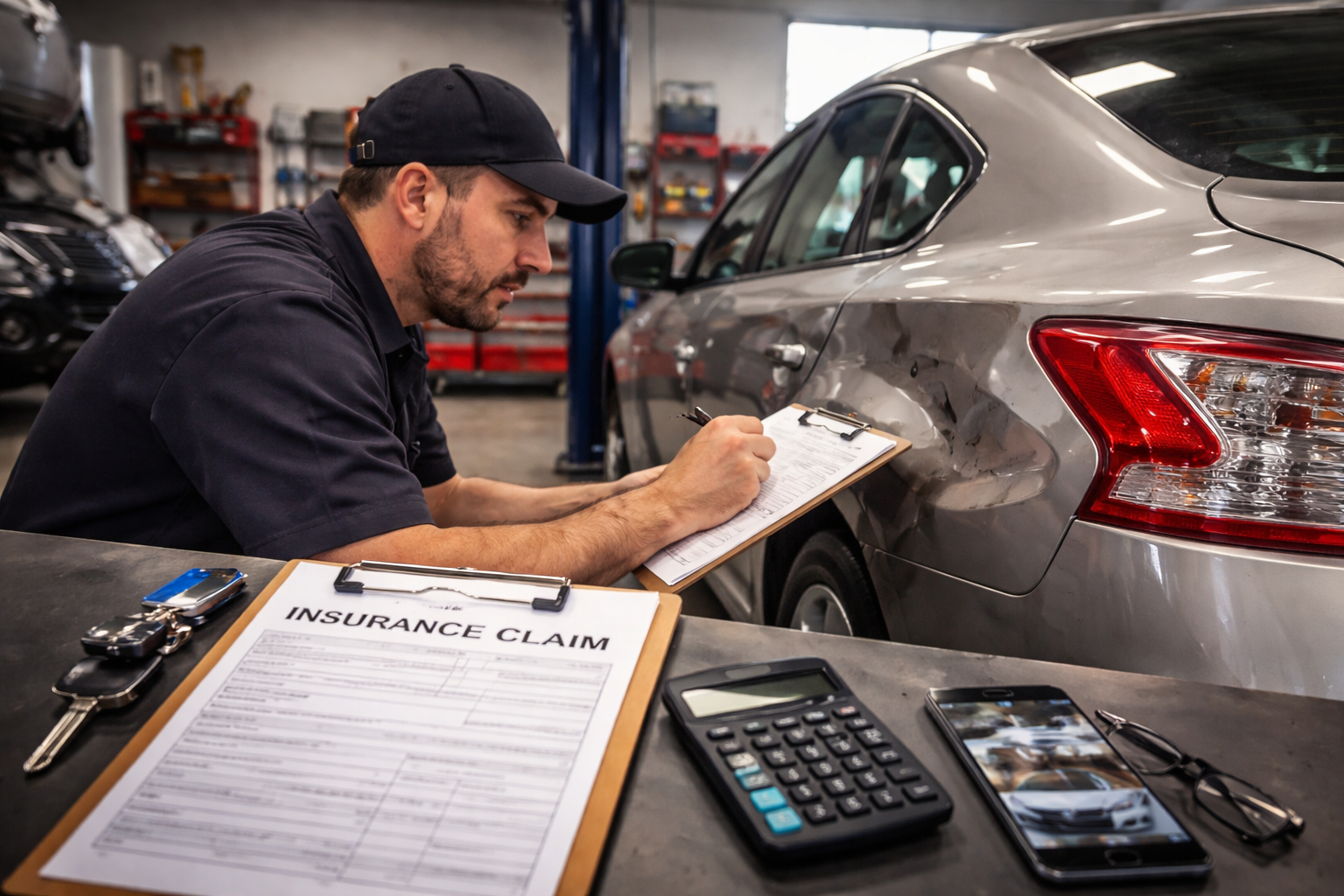
Adjusters are not necessarily “against you,” but they do work for the insurance company. Their job is to verify coverage and manage claim costs. Your job is to make sure your vehicle is repaired safely and correctly. The most effective way to do that is to have solid documentation and a repair plan that follows manufacturer procedures.
Step 7: Authorize repairs at your chosen shop
Once the estimate is approved, you authorize the repair. A quality shop will document damage, communicate clearly, and submit supplements when hidden damage is discovered. If your vehicle needs structural verification, that is where frame repairs and proper measuring matter.
Step 8: Final inspection and pickup
Do a walkthrough. Ask questions. Confirm warranty details in writing. Your deductible is typically paid to the repair shop at pickup if your policy includes one.
Your right to choose your repair shop in Texas
This is one of the most important parts of the entire process. In Texas, you can choose your repair shop. An insurer can recommend a shop, but you can select the facility you trust.
This matters because collision repair is not only about appearance. It is about restoring structure, safety systems, and long-term reliability. If you have ever seen a vehicle that “looked repaired” but still drove wrong, pulled to one side, or had sensor warnings, you have seen what happens when repairs are not handled thoroughly.
If you want the simplest practical standard, choose a shop that documents damage accurately, communicates clearly, and repairs to manufacturer procedures. That protects your safety and your investment.
Estimate vs supplement: why the repair cost can change mid-process
This is the moment that surprises most drivers. You get an estimate, then later the number changes. In most cases, that is normal, not shady.
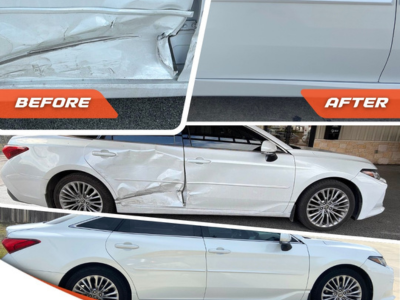
Many initial estimates are based on visible damage. Once the vehicle is disassembled, hidden damage can appear behind bumpers, brackets, reinforcement bars, headlight mounts, and structural mounting points. When that happens, the shop documents it and submits a supplement for approval. The supplement is the paper trail that protects you and ensures the vehicle is repaired correctly, not partially.
This is especially common during hail season, because dents can look “light” until proper lighting reveals roofline damage, pillar dents, or glass issues. It is also common in low-speed collisions where the bumper cover hides damage behind it.
ADAS scanning and calibration: why modern claims feel more technical
Vehicles today are systems. Many newer models include sensors and cameras that support safety features. After a collision, repairs may require verification so systems communicate properly. In some cases, calibration is needed to restore factory accuracy. Even if the vehicle drives “fine,” an unseen sensor shift can reduce the reliability of safety features.
If you want a general safety reference for how modern vehicles rely on safety technology, this is a solid resource:
NHTSA vehicle safety information.
Rental cars, towing, and storage fees: avoid surprise costs
Rental coverage depends on your policy and claim type. If the other driver is at fault, their insurer may cover a rental, but that often depends on when liability is accepted. If you have rental reimbursement on your own policy, it can be faster.
Towing and storage fees can add up quickly if a vehicle sits at a yard. The best approach is to ask early what is covered, keep receipts, and move the vehicle to the repair facility as soon as it is allowed. This is one of the easiest ways to prevent surprise bills.
How 360 Collision supports you through the claim process
After an accident, most people are dealing with disruption. Work, school, errands, and the stress of insurance conversations. Our job is to make the repair side of that experience feel clear and steady.
We focus on accurate documentation, professional communication, and repairs completed to manufacturer standards. If you need an inspection or estimate, start here:
collision damage repair, auto body repair, and frame repairs.
If you are preparing for April hail season, you can also read our hail guide here:
Expert Hail Damage Repair in San Antonio: What to Do Before Texas Hail Season Hits in April.
Frequently asked questions
Can my insurance company force me to use their preferred shop?
No. In Texas, you can choose your repair shop. A recommendation is not a requirement.
What if the adjuster’s estimate is lower than the repair plan?
This is common. Hidden damage may not be visible until teardown. A quality shop documents and submits supplements when needed.
How long do I have to file a claim in Texas?
Time limits depend on the situation and your policy. Most policies require prompt reporting, so it is best to file as soon as possible.
Will my rates go up after a hail claim?
Rate impact depends on your policy and claim history. Hail is typically a comprehensive claim. Ask your insurer what applies to your situation.
What is a supplement?
A supplement is additional documentation submitted when hidden damage is found after disassembly. It helps ensure the vehicle is repaired correctly.
Do you help with claim communication?
Yes. We work with insurance regularly and help keep documentation and repair communication organized.
Know this before April, not after your first storm
The drivers who navigate the insurance process well are rarely the ones who figured it out under pressure. They are the ones who took a few minutes to understand the basics before they needed them.
April hail season is exactly when San Antonio claims spike, schedules tighten, and decisions feel rushed. If you understand your coverage, know your right to choose your repair shop, and have a plan for documentation and estimates, you are already ahead of most drivers when that first storm hits.
If you have questions about a current claim, want an independent estimate, or simply want to be prepared before hail season ramps up, we are here to help. Our team will explain the process clearly, document damage properly, and make sure your vehicle is repaired safely and correctly.
Call (210) 890-5906 or visit our contact page to schedule a free estimate or insurance consultation.
Your vehicle is not just transportation. It is what carries your family through everyday life. The right information, the right documentation, and the right repair plan help protect that from the start.