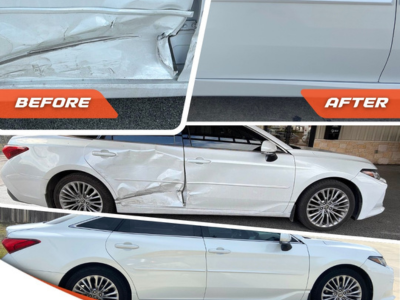
A car accident can flip your whole day upside down. One moment you are headed to work, picking up kids, or running errands around San Antonio, and the next you are dealing with damage, towing questions, and an insurance claim you never planned for.
The insurance process does not have to feel confusing, but it often does because most people only learn it while they are stressed and trying to get back to normal life. That is why this guide exists. It gives you a clear timeline of what usually happens after an accident, what information you need, what your insurance company will ask for, and what steps help your claim move faster.
It also clears up a few things many drivers do not realize in Texas. You have rights in this process, including the right to choose your repair shop. And because modern vehicles are more complex, even minor accidents often involve hidden damage that affects safety systems, alignment, and the structure behind the bumper.
What to do in the first 30 minutes after an accident in San Antonio
Right after a crash, your brain is usually racing. People are honking, everyone is trying to pull over, and you are still processing what just happened. In that moment, focus on one simple goal: safety first, then documentation.
If anyone is hurt, call 911 immediately. Even when injuries seem minor, it is better to get medical help and have the situation documented properly. If everyone is safe and vehicles can be moved, pull to a safer location nearby so you are not stuck in traffic or at risk of a secondary accident. San Antonio roads get busy fast, especially around intersections and highways.
Once you are out of danger, start collecting the details your insurance company will ask for. A few minutes of clean documentation at the beginning can save you days of frustration later.
Quicklist: What to do right away
Make sure everyone is safe and call 911 if anyone is injured
Move vehicles to a safe spot if possible
Exchange driver and insurance information
Take photos of the scene, damage, license plates, and road conditions
Get witness contact info if anyone saw what happened
If police respond, ask how to get the report number
Notify your insurance company as soon as you are safe
If you are unsure whether something matters, document it anyway. Hidden damage is common, and the more clear information you have at the start, the smoother the claim process tends to go.
Reporting the accident in Texas and when a police report matters
A lot of people are unsure about whether they should call the police after an accident, especially if it feels minor. In Texas, the simplest rule is this: if there are injuries, a death, or the crash creates a hazardous situation, call 911. Beyond that, a police report can still be helpful even when the damage looks small, because it creates an official record that insurance companies often rely on.
In San Antonio, police may not always respond to every fender bender, especially during busy hours. If an officer does respond, ask how to get the report number before you leave the scene. That report becomes part of the claim file and can help if fault is disputed later.
If police do not respond, do not panic. You can still file an insurance claim with good documentation, photos, and witness information. The key is to keep your details organized and report the accident promptly to your insurance company.
One more thing most drivers do not realize: sometimes the damage that looks “small” at the scene turns out to be more complex once the vehicle is inspected. Sensors, bumper reinforcements, and mounting points can be affected even without a dramatic impact. Having some type of official record, when available, helps protect you if the claim becomes more complicated.
What documents and information you will need for the claim
Insurance claims move faster when the information is clean and complete. The adjuster is not looking for a perfect story, they are looking for enough details to confirm what happened, who was involved, and what damage needs to be handled. If you give them that early, you avoid a lot of back and forth later.
Most people think “I’ll remember it,” but after an accident, details blur quickly. That is why it helps to gather a few key items right away, then keep everything in one place. A note on your phone, a folder in your email, or even a screenshot album works fine. The goal is simply to stay organized.
Quicklist: What to collect for your claim file
Photos of the scene and all vehicle damage from multiple angles
License plates and driver information for everyone involved
Insurance information for the other driver
Witness names and phone numbers if anyone stopped
Police report number if an officer responded
Tow receipt or storage yard paperwork if the vehicle was towed
Any medical visit paperwork if injuries are involved
Your claim number once the claim is opened
If you have dash cam footage, save it immediately and back it up. If you do not, that is okay. Photos and good notes usually cover most situations.
This information matters for a simple reason: the more complete your documentation is, the easier it is for your insurance company to approve repairs and for the repair shop to identify all damage from the start.
Filing the Claim: First-Party vs Third-Party Explained Simply
After an accident, one of the first decisions is where to file the claim. Most drivers in San Antonio hear terms like “first-party” and “third-party” and feel like they’re reading a different language. Here is the simple explanation.
A first-party claim means you file with your own insurance company. This can often move faster because your insurer is working under your policy and your coverages. If you have collision coverage, your insurer may pay for repairs and then seek reimbursement from the other party later if they are found at fault.
A third-party claim means you file with the other driver’s insurance company. This can take longer because that insurer usually needs to confirm liability before they approve repairs or reimburse expenses. If fault is disputed, the process may slow down until they complete their investigation.
If you are unsure which path is best, it helps to start with a simple goal: choose the option that gets your vehicle inspected quickly and gets you clear answers. Either way, keeping your documentation organized and reporting the claim promptly can reduce delays.
If you need a professional repair plan while the claim is being processed, a qualified shop can document damage properly so there is less confusion later during adjuster review and repair approvals.
FAQs About Filing an Insurance Claim After a Car Accident
Should I file a claim with my insurance or the other driver’s insurance?
It depends on fault, coverage, and timing. Filing with your own insurance can be faster if you have the right coverage. Third-party claims may take longer because liability usually must be confirmed first.
Will filing a claim with my insurance raise my rates?
Rate changes depend on your policy, claim history, and fault determination. Your insurer can tell you how claims are handled under your specific coverage.
Can I start repairs before the other insurance company accepts fault?
Sometimes. A shop can document damage and create a repair plan, but repair approval and payment depend on coverage and the claim path you choose.
What information will my insurance company ask for first?
Expect them to ask for the basics: what happened, where it happened, who was involved, photos if you have them, and whether a police report exists.
Texas claim timelines and what you can realistically expect
One of the biggest stress points after an accident is the waiting. You file a claim, you leave a voicemail, you send photos, and then it feels like everything slows down. Knowing the basic timeline helps you stay calm and also helps you know when it is reasonable to follow up.
In Texas, insurance companies are expected to acknowledge your claim and begin the process within a set window once they receive it. After that, the pace usually depends on two things: how quickly the insurer gets the information they need and whether fault is clear. If the claim is straightforward, things can move quickly. If liability is disputed or the adjuster needs additional documentation, it can stretch out.
This is also where a lot of delays happen without anyone meaning for them to. The insurer might be waiting on a police report. The shop might find hidden damage after disassembly and need approval for a supplement. Parts availability can slow the repair. None of that always shows up clearly on the customer side, which is why it feels frustrating.
The best thing you can do is stay organized and keep communication in writing when possible. Save emails, claim numbers, and adjuster contact details. If you are not hearing back, it is okay to politely follow up and ask what the next step is and what they still need from you.
A final note that helps many people: a claim timeline is not always the same as a repair timeline. Your vehicle may be ready to begin repairs but waiting on approvals, or repairs may be underway while insurance reviews supplements. Understanding that these are two separate tracks helps reduce confusion and sets expectations more realistically.
Your right to choose your repair shop in Texas
A lot of drivers do not realize this until they are already deep into the claim process, but in Texas you have the right to choose where your vehicle is repaired. Even if your insurance company recommends a preferred shop, that recommendation is not a requirement.
This matters because the repair shop is not just fixing cosmetic damage. They are responsible for restoring the structure, safety systems, and performance of the vehicle. The quality of that work affects how your car drives, how it protects you in the future, and how well it holds its value over time.
Insurance companies may encourage you to use a certain location because it fits their process, but you are allowed to choose a shop you trust. If you already have a relationship with a shop, or if you want a team that communicates clearly and follows proper repair procedures, you can make that decision.
The best approach is to choose a shop that will document damage accurately, communicate with insurance professionally, and repair the vehicle according to manufacturer standards. When those pieces are in place, claims tend to go smoother and repairs tend to hold up better long term.
FAQs About Choosing a Repair Shop in Texas
Can my insurance company require me to use their preferred shop?
No. In Texas, you have the right to choose the repair shop you want, even if the insurer recommends a preferred provider.
Will my insurance still cover repairs if I choose my own shop?
In most cases, yes. Coverage depends on your policy and the claim, but you can typically choose your shop and still have the claim processed normally.
Why would an insurance company recommend a specific shop?
Insurers often recommend shops that follow their processes or pricing agreements. A recommendation can be helpful, but it is not a requirement.
What should I look for in a collision repair shop?
Look for clear communication, proper documentation, trained technicians, and repairs that follow manufacturer procedures so the vehicle is restored safely and correctly.
Estimate vs supplement: why the repair cost can change mid process
This is the part of the claim process that surprises people the most. You get an estimate, you think you know the number, and then partway through repairs you hear that the amount changed. That can feel frustrating, but in most cases it is normal and it does not mean anyone is being dishonest.
An initial insurance estimate is often written based on what is visible. The adjuster may review photos or do a quick inspection, but they cannot see what is happening behind the bumper, under trim, or inside mounting areas until the vehicle is disassembled. Once a repair shop begins work, they often discover hidden damage that was not visible at the scene. That is when a supplement is written.
A supplement is simply additional documentation that shows what was found after teardown and what is required to repair the vehicle correctly. Winter accidents, curb hits, and low speed impacts are common examples where the outside looks minor but internal parts take the stress. Bumper reinforcements, brackets, impact absorbers, headlight mounts, and sensor mounting points can all be affected without obvious exterior damage.
This is also where repair quality matters. The goal is not to patch things up quickly. The goal is to restore the vehicle safely, following manufacturer procedures. If additional damage is found, it should be documented and approved rather than ignored. That protects the driver and helps ensure the vehicle performs properly in the future.
The easiest way to reduce surprises is good documentation from the start and a shop that communicates clearly. A professional shop will explain why the supplement is needed, what was discovered, and what happens next with insurance approval.
FAQs About Estimates and Supplements
Why did my repair estimate increase after the shop started repairs?
Many estimates are based on visible damage only. Once the vehicle is disassembled, hidden damage is often found and documented as a supplement for insurance approval.
Is a supplement normal after a car accident?
Yes. Supplements are common, especially with modern vehicles where damage behind bumpers, brackets, and mounting points cannot be confirmed until teardown.
Does the insurance company have to approve the supplement?
In most cases, yes. The shop documents the additional damage and submits it to the insurer for review so repairs can continue correctly.
Does a supplement mean the shop is upselling?
Not necessarily. A supplement usually means additional damage was discovered after disassembly. A quality shop documents and explains the reason for the added repairs.
ADAS scanning and calibration: why modern claims feel more technical
A lot of drivers feel blindsided when they hear terms like scanning, calibration, or safety system verification during a claim. It can sound like extra steps or unnecessary add-ons. In reality, it is the opposite. It is part of what makes modern repairs safe.
Many newer vehicles include driver assistance features like lane assist, forward collision warning, automatic braking, blind spot monitoring, and parking sensors. Those systems rely on cameras and sensors mounted in very specific locations. A minor accident can shift a mounting point or crack a bracket just enough to affect accuracy. The vehicle might still drive normally, but the system may no longer interpret distances or lane markings correctly.
That is why scanning matters. A pre-repair scan checks for stored codes and safety system issues right away. After repairs, a post-repair scan confirms everything is communicating properly. Some vehicles also require calibration so the cameras and sensors can be reset to factory accuracy. This is especially common after front-end impacts, bumper damage, windshield damage, or repairs near sensor locations.
From an insurance perspective, this is also why claims and repairs feel more technical in 2026 than they used to. Cars are not just mechanical anymore. They are systems. When a shop repairs a modern vehicle correctly, they are restoring both the physical structure and the technology that protects the driver.
This is also one reason choosing a shop with modern equipment and training matters. A safe repair is not just something that looks good on the outside. It is something that performs correctly when it counts.
FAQs About ADAS Scanning and Calibration After an Accident
Do I really need scanning after a minor accident?
Many modern vehicles store fault codes even after minor impacts. Scanning helps confirm whether safety systems and sensors were affected before repairs begin and after repairs are completed.
What is ADAS calibration and why does it matter?
ADAS calibration resets cameras and sensors to factory accuracy after repairs. Even small shifts can affect lane assist, braking alerts, and blind spot monitoring.
Will insurance cover scans and calibrations?
Coverage depends on the policy and the type of claim, but scans and calibrations are commonly included when required to restore safety systems after a collision.
What types of repairs often require calibration?
Calibrations are often required after front-end impacts, bumper repairs, windshield replacement, or any repair near cameras or sensor mounting areas.
Rental cars, towing, and storage fees: avoiding surprise costs
After an accident, the insurance claim is not the only thing happening. Real life still needs transportation. The vehicle may need a tow. It might end up at a storage yard. You may need a rental car immediately. These are the areas where costs can stack up quickly, often before anyone explains what is covered.
Rental coverage depends on your policy and the type of claim. Some drivers have rental reimbursement on their own policy. Some rely on the other driver’s insurance, but that can take longer if fault has not been accepted yet. The key is not to assume. Ask early, get the answer in writing if possible, and keep receipts for anything you pay out of pocket.
Towing and storage fees are another common surprise. If your vehicle is not drivable, it may be towed to a yard, and storage fees can add up daily. This is why it helps to move the vehicle to the repair shop as soon as insurance allows. The sooner the vehicle is in the right place, the fewer extra fees tend to accumulate.
This is also where communication matters most. The insurance company, the tow yard, and the repair shop all play different roles, and drivers often feel stuck in the middle. A repair shop that is experienced with claims can help coordinate and explain what to expect, which reduces confusion and prevents unnecessary delays.
The main takeaway is simple. Ask early. Document everything. Keep receipts. The more organized you are at the start, the fewer surprise costs show up later.
Choosing a collision repair shop for an insurance claim
After an accident, a lot of drivers feel pressure to move fast. The insurance company may recommend a shop. A tow driver may suggest a location. Friends may have opinions. In the middle of all that, it can be hard to know what actually matters.
Here is the truth. The repair shop you choose plays a major role in how smooth your claim feels and how safe your vehicle is when you get it back. A good shop does more than replace parts and paint panels. They document damage clearly, communicate professionally with insurance, and repair the vehicle according to manufacturer procedures so it performs properly long-term.
This is especially important now because vehicles are more complex. Safety systems, sensors, and structural components need precise repair work and verification. Shops that are not equipped for modern repairs may outsource critical steps or skip procedures that should be completed. That can lead to delays, confusion, and repairs that do not hold up the way they should.
When choosing a shop, look for a team that explains what is happening in plain language. You should feel comfortable asking questions and getting clear answers. The process should not feel like guessing. It should feel like a plan.
The right shop will also help reduce stress in the claim process. They will help document damage, explain supplements, coordinate with insurance when approvals are needed, and keep you informed so you are not left wondering what is happening next.
How 360 Collision supports you through the claim process
After an accident, most people are not just dealing with damage. They are dealing with disruption. Schedules, transportation, work, school, and the stress of talking to an insurance company when you are already worn out. Our job is to make the repair side of that experience feel clear and steady.
At 360 Collision, we focus on doing two things well. First, we document damage accurately so the claim has strong support from the beginning. Second, we repair vehicles according to proper procedures so the vehicle is restored safely, not just made to look good again.
Our team is I-CAR certified and we follow OEM repair procedures because modern vehicles require precision. We use advanced equipment like the Car-O-Liner EVO1 system for structural accuracy, and we perform in-house pre-repair and post-repair scanning to confirm safety systems are functioning properly. We also offer in-house suspension alignments, which helps keep repairs moving without unnecessary outsourcing delays.
We also believe communication matters. You should not feel like you are chasing updates or guessing what comes next. We help you understand the claim process in plain language, and we work with insurance companies regularly so documentation, supplements, and approvals are handled professionally.
And because we serve families in our community, health and safety are part of our standards. Each vehicle is disinfected prior to delivery, and our goal is always to return a vehicle that is safe, clean, and ready for everyday life again.
If you are in the middle of a claim and you are not sure what step comes next, we can help you get clarity. Even a short conversation can make the process feel less stressful.
If you are dealing with an accident right now, I want you to know something simple. You do not have to figure this out alone. The insurance process can feel confusing when you are stressed, busy, and just trying to get your life back to normal. But when you understand the steps and know your rights, it becomes far more manageable.
The most important things are safety, documentation, and choosing a repair shop you trust. Once those pieces are in place, the rest becomes a process, not a crisis. A quality repair is not just about how your vehicle looks when you pick it up. It is about restoring the structure, the safety systems, and the confidence you need to drive again without second guessing what happened underneath the surface.
If you have questions about what to do next, need help understanding your claim, or want your vehicle inspected by a team that follows proper repair procedures, we are here to help.