
A Recent San Antonio Vehicle Fire Is a Sobering Reminder for Drivers
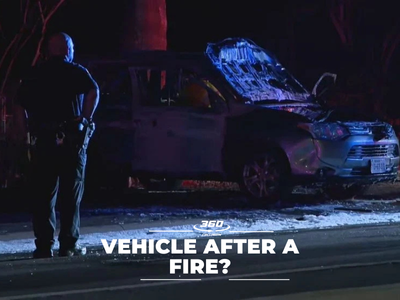
Last night, many of us in San Antonio woke up to heartbreaking news. Authorities confirmed that a man was found inside a vehicle that was fully engulfed in flames on the city’s South Side. The investigation is still ongoing, and out of respect for the individual and their family, it is important not to speculate about what led to this tragedy.
What we can say is this: vehicle fires, while rare, are extremely serious and often connected to damage that starts well before flames are ever visible. As a collision repair professional who has worked in this industry for years, stories like this stop me in my tracks. They remind me why proper inspections, repairs, and safety checks matter so much, especially after any type of collision or mechanical damage.
Most drivers never expect a vehicle fire. Cars today are built with layers of safety systems, and fires are uncommon. But when they do happen, they are usually the result of underlying issues such as compromised electrical systems, fuel components, or damage from a previous impact that was not fully addressed.
The purpose of this article is not to draw conclusions about what happened last night. Instead, it is to help San Antonio drivers understand how vehicle fires can occur, why post collision inspections are critical, and what steps you can take to protect yourself and your family if your vehicle has been involved in an accident or shows warning signs.
Safety always comes first. And sometimes, awareness can make all the difference.
How Vehicle Fires Can Occur After Collisions or Mechanical Damage
Vehicle fires rarely happen without warning. In many cases, the damage that leads to a fire begins long before smoke or flames appear. This is especially true after a collision, even one that seemed minor at the time.
Modern vehicles contain complex electrical systems, fuel delivery components, and heat sensitive materials that must all work together safely. When a collision occurs, those systems can be compromised in ways that are not immediately obvious. Wiring may become pinched or exposed. Fuel lines can weaken or shift. Battery components, especially in newer vehicles, can suffer internal damage that does not show up right away.
In some situations, a vehicle may continue to operate normally for days or even weeks after an impact. During that time, heat from the engine or exhaust can aggravate damaged components. Electrical shorts can develop gradually. Leaking fluids can reach hot surfaces. By the time a problem becomes visible, the situation can escalate quickly.
Mechanical issues can also play a role. Overheating engines, oil leaks, or malfunctioning electrical components increase fire risk when they are combined with prior damage. This is why fires are often connected to a chain of events rather than a single moment.
It is important to understand that most drivers would have no way of recognizing these risks on their own. A vehicle that still drives, starts, and runs quietly can still be unsafe. That is why professional inspections after any collision or mechanical incident are so critical. Trained technicians know where to look, what systems to test, and how to identify early warning signs before they become dangerous.
Understanding how these situations develop helps drivers make informed decisions. Addressing damage early is one of the most effective ways to reduce risk and protect lives.
Why Post Collision Inspections Are Critical for Fire and Safety Risks
After a collision, most drivers focus on what they can see. A dented panel. A cracked bumper. A warning light that may or may not turn on. What often goes unnoticed is what happens underneath the surface, where the real safety risks live.
Collisions can disturb systems that are never meant to move. Electrical wiring can be stretched or pinched. Fuel system components can shift slightly out of position. Heat shields can become loose. Battery connections can weaken. None of these issues are visible during a quick walk around the vehicle, but each one increases risk if it goes unchecked.
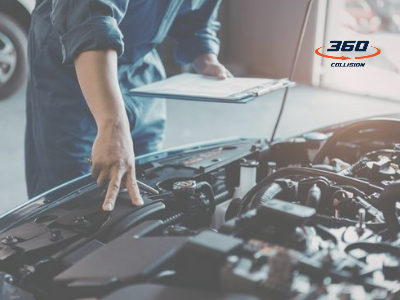
A proper post collision inspection looks beyond cosmetic damage. It involves examining areas that were impacted or stressed during the collision, even if the exterior damage appears minor. Trained technicians know how to identify heat exposure, fluid leaks, compromised wiring, and structural changes that could affect safety over time.
One of the most dangerous assumptions a driver can make is believing that no warning lights means no danger. Many fire related risks do not trigger dashboard alerts until a system has already failed. By the time smoke or burning smells appear, the situation can escalate very quickly.
This is why professional inspections matter so much. They are not about overreacting or assuming the worst. They are about verifying that your vehicle is still safe to operate and that no hidden damage is putting you or others at risk.
At our shop, we treat inspections as a safety responsibility, not just a repair step. When a vehicle has been involved in a collision or shows signs of mechanical stress, taking the time to inspect it thoroughly can prevent much more serious outcomes later on.
What To Do If Your Vehicle Is Involved in a Fire or Severe Impact
If a vehicle shows signs of fire, smoke, or extreme heat, safety must come first. The most important step is to get away from the vehicle and contact emergency services immediately. Do not attempt to re enter the vehicle or retrieve personal belongings if there is any risk of fire or explosion.
After the situation is under control and authorities have responded, the vehicle should not be driven again until it has been professionally evaluated. Fire damage and heat exposure can compromise critical systems in ways that are not always obvious. Electrical components may fail unpredictably. Structural parts can weaken. Safety systems may no longer function as designed.
Even in cases where the fire appears small or limited to one area, the damage can extend beyond what is visible. Smoke and heat travel quickly through a vehicle, affecting wiring, sensors, interior materials, and structural supports. Attempting to start or drive a vehicle after fire exposure can increase risk and lead to further damage.
If a vehicle has been involved in a severe impact, similar caution applies. High force collisions can stress fuel systems, electrical components, and mechanical parts that may later become fire hazards if left unchecked. A thorough inspection helps determine whether a vehicle is safe to repair or should be removed from service.
In these situations, professional evaluation is essential. Collision repair facilities trained in safety inspections and damage assessment can help guide next steps, coordinate with insurance providers, and ensure that decisions are made with safety as the top priority.
Why Fire Damaged Vehicles Require Specialized Collision Inspection
Fire changes everything about a vehicle. Even when flames appear contained to one area, the heat alone can compromise systems throughout the car. This is why fire damaged vehicles require a very different level of inspection than a typical collision.
Extreme heat can weaken metal, soften structural components, and damage protective coatings that are designed to prevent corrosion and failure. Wiring insulation can melt or become brittle. Sensors and electronic modules can fail without visible signs. Airbag systems, seatbelt pretensioners, and safety electronics may no longer operate correctly after heat exposure.
In modern vehicles, safety systems are deeply integrated. A single compromised component can affect multiple systems at once. For example, heat damage near the front of the vehicle can impact forward sensors, electrical harnesses, and cooling components at the same time. Without a thorough inspection, these risks may go unnoticed until a failure occurs later.
Specialized collision inspections focus on identifying damage patterns caused by heat, smoke, and stress. This includes checking structural integrity, testing electrical systems, evaluating sensor functionality, and documenting findings for insurance and safety purposes. These inspections are not about determining cosmetic repair options. They are about answering one critical question. Is this vehicle safe.
In many cases, a professional inspection helps determine whether a vehicle should be repaired or declared a total loss. While that can be a difficult outcome for drivers, it is sometimes the safest decision. Accurate assessments protect drivers, passengers, and everyone else on the road.
Taking fire damage seriously is not an overreaction. It is a necessary step in preventing further harm.
How Collision Repair Experts Support Drivers After Severe CollisionsHow Collision Repair Professionals Support Drivers After Serious Incidents
After a serious incident involving fire, extreme heat, or a severe collision, most drivers feel overwhelmed. There are questions about safety, insurance, next steps, and whether the vehicle can or should be repaired at all. This is where experienced collision repair professionals play an important role.
A qualified collision repair shop helps drivers understand what has happened to their vehicle and what risks may still exist. This includes evaluating damage that may not be visible, explaining how heat or impact affects safety systems, and documenting findings clearly for insurance providers. Clear documentation is especially important in serious cases, as it helps ensure that decisions are made based on facts rather than assumptions.
Collision repair professionals also act as a point of coordination. They communicate with insurance adjusters, help arrange inspections, and guide drivers through the process of determining whether a vehicle is repairable or should be declared a total loss. In situations involving fire or major structural damage, this guidance can prevent unsafe vehicles from returning to the road.
Equally important is communication. Drivers deserve honest answers and clear explanations. A responsible shop will explain risks, outline options, and prioritize safety over speed or cost. This approach helps families make informed decisions during stressful moments.
At the end of the day, collision repair is about more than restoring vehicles. It is about protecting people. Supporting drivers after serious incidents means putting safety, accuracy, and transparency first.
A Reminder for San Antonio Drivers About Vehicle Safety and Inspections
Incidents like the one reported on the South Side last night are difficult to process. They remind us that vehicles, while a normal part of daily life, can become dangerous when underlying issues go unnoticed or unresolved. Most of the time, serious outcomes are not the result of a single failure, but a series of problems that build quietly over time.
For drivers, the most important takeaway is awareness. If your vehicle has been involved in a collision, experienced overheating, electrical issues, or shows signs that something does not feel right, it deserves professional attention. Trusting that a vehicle is safe simply because it still runs can be a costly assumption.
Regular inspections after collisions and mechanical incidents are one of the most effective ways to reduce risk. These inspections help identify hidden damage, compromised systems, and early warning signs before they escalate. They also provide clarity, which allows drivers to make informed decisions about repairs, safety, and next steps.
Safety on the road is a shared responsibility. Staying informed, acting early, and choosing qualified professionals when issues arise all contribute to safer outcomes for everyone in our community.
If your vehicle has been involved in a collision, exposed to extreme heat, or is showing warning signs such as burning smells, electrical issues, or unusual behavior, a professional inspection can help ensure your safety.
Our team at 360 Collision is here to support San Antonio drivers with thorough inspections, clear explanations, and a safety first approach. We work closely with insurance providers and prioritize accuracy and transparency in every assessment.
If you have concerns about your vehicle or need guidance after an incident, we encourage you to reach out and schedule an inspection. Taking action early can help prevent more serious problems and protect the people who matter most.
Safety should never be an afterthought.
Frequently Asked Questions About Vehicle Fires and Collision Safety
Can a vehicle catch fire days or weeks after a collision?
Yes. In some cases, damage to electrical wiring, fuel system components, or heat shields may not cause immediate symptoms. Over time, heat, vibration, and continued driving can worsen hidden damage and increase the risk of a vehicle fire.
Should I drive my vehicle after it has been exposed to fire or heavy smoke?
No. Any vehicle exposed to fire, smoke, or extreme heat should be professionally inspected before being driven again. Fire and heat can compromise electrical systems, structural components, and safety features even when damage is not visible.
Do warning lights always appear before a vehicle fire?
No. Many fire related risks do not trigger dashboard warning lights. Electrical shorts, fuel system damage, and heat related failures can develop without alerts, which is why professional inspections are important after collisions or mechanical incidents.
Is fire damage always repairable?
Not always. A professional inspection is necessary to determine whether a fire damaged vehicle can be safely repaired or should be declared a total loss. Safety is always the top priority when evaluating fire and heat exposure.
Why is a collision inspection important even if the fire damage appears minor?
Heat can travel beyond the visible area of a fire and affect wiring, sensors, and structural components. Even limited fire exposure can compromise safety systems, making a thorough inspection essential.