
Even minor winter accidents can cause hidden structural, alignment, and safety system damage that is not visible from the outside. Modern vehicles rely on precisely positioned sensors and impact structures that should be professionally inspected after any collision to ensure safe operation.
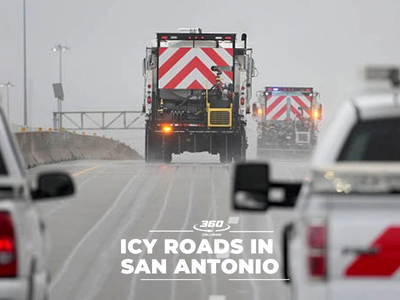
After a winter storm rolls through San Antonio, a lot of drivers breathe a sigh of relief if they avoided a major crash. Maybe the car slid a little turning into the neighborhood. Maybe the tires lost grip and bumped a curb. Maybe there was a small tap in slow traffic on an icy morning. It feels minor, so it gets brushed off.
But winter road incidents are different. Even low-speed impacts on icy pavement can create hidden collision damage that is not obvious from the outside. Modern vehicles are built with layered safety systems, alignment components, and impact structures that rely on precise positioning. When something shifts, even slightly, the vehicle may still drive — but it may not protect you the way it was designed to.
As a mom and collision repair professional, I look at these situations through two lenses. One is safety for the families inside the vehicle. The other is experience. At our shop, we regularly see vehicles weeks after winter weather with hidden damage after a minor accident that drivers did not realize was there. Uneven tire wear, subtle steering changes, sensor issues, or internal bumper damage often trace back to what seemed like a small winter slide.
That is why a post accident vehicle inspection matters, even when the damage appears cosmetic or minor. A professional evaluation can confirm that alignment, structural components, and safety systems are functioning properly before that vehicle heads back out onto everyday roads.
Why Winter Accidents Often Seem Minor but Are Not
Winter road conditions in San Antonio do not always lead to high-speed crashes. More often, drivers experience slow slides, gentle impacts, or curb contact that feels insignificant at the moment. The vehicle still runs, no airbags deploy, and there are no immediate warning lights. Because of that, many people assume there is no real damage.
But winter incidents create a different type of force transfer through a vehicle. When roads are icy, tires lose grip, and the vehicle’s momentum shifts unpredictably. Even low-speed contact can send stress through the suspension, steering components, and internal bumper structure. These situations frequently result in hidden damage after a minor accident that is not visible on the surface.
Cold temperatures also change how materials behave. Plastic clips and bumper mounts become more brittle. Rubber bushings and seals stiffen. That means the impact energy from a winter slide is more likely to travel deeper into the vehicle’s structure rather than being absorbed the way it might be in warmer conditions. What looks like a small tap can affect alignment, mounting points, and safety system positioning.
This is where professional collision repair in San Antonio becomes important. A trained inspection can identify subtle shifts in structural components and steering geometry that drivers often miss. It is not just about dents. It is about confirming the vehicle’s systems are still working together the way they were engineered to.
Many winter-related incidents also lead to what we call hidden collision damage behind the bumper cover. Reinforcement bars, impact absorbers, and mounting brackets can crack or move slightly out of position without visible signs. That internal damage may reduce the vehicle’s ability to protect occupants in a future impact.
Modern Vehicles Hide Damage Beneath the Surface
Today’s vehicles are built very differently than cars from even ten years ago. What looks like a simple bumper on the outside is actually part of a layered safety system designed to absorb and redirect impact energy. Underneath that outer panel are reinforcement bars, impact absorbers, mounting brackets, and sensor systems that all work together during a collision.
Because of this design, visible damage does not always tell the full story. A vehicle can look nearly untouched while critical components underneath have shifted or cracked. This is especially common after winter incidents where icy conditions cause unusual angles of impact. Even a low-speed slide can affect structural mounting points and the internal systems designed to protect occupants.
Modern vehicles also rely heavily on advanced safety technology. Cameras, radar units, parking sensors, and driver assistance systems are mounted in precise locations. A small shift in position can change how these systems read the road. The feature may still turn on, but its accuracy may be compromised. That is why a
structural collision repair evaluation is often needed even when exterior damage appears minor.
Another important factor is bumper reinforcement. The outer cover is cosmetic, but the structure behind it is part of the vehicle’s energy management system. If those components are weakened, the vehicle may not perform the same way in a future impact. This is a key reason we look beyond paint and panels during a professional collision inspection.
Industry safety standards, including those supported by the
National Highway Traffic Safety Administration,
emphasize the importance of proper structural integrity and safety system function after any collision. Inspection is not about appearance. It is about ensuring the vehicle can still perform its safety role as designed.
Cosmetic Damage Does Not Equal Safe to Drive
One of the most common misunderstandings after a winter road incident is assuming that if the paint looks fine, the vehicle must be fine too. In reality, cosmetic appearance and structural safety are two very different things. We often see vehicles where the exterior shows little to no visible damage, yet internal components have been stressed or shifted.
Modern bumpers are designed in layers. The outer surface may flex or hide marks, while the reinforcement and energy-absorbing components behind it take the force of the impact. If those internal structures are compromised, the vehicle may not perform the same way in a future collision. This is a major reason drivers seek collision damage repair
even when the outside looks minor.
Hidden issues can also affect how the vehicle handles. Alignment changes, stressed suspension components, and mounting point shifts can all occur without clear visual signs. Over time, this can lead to uneven tire wear, vibration, or steering that feels slightly off. These are signs that a professional evaluation at an auto body repair facility is important, even after a low-speed winter impact.
Another area drivers may not see is sensor positioning. Many vehicles have cameras and radar systems mounted behind bumpers and panels. If those mounting points move, safety features may not read road conditions accurately. That is why cosmetic appearance alone should never determine whether a vehicle is safe to drive.
A proper inspection looks beyond paint and panels to confirm that the vehicle’s structure, mounting systems, and safety components remain in the correct position. Catching hidden issues early helps restore both performance and occupant protection before everyday driving resumes.
Insurance Often Covers Post-Accident Inspections
Many drivers hesitate to have their vehicle inspected after a winter road incident because they assume the damage may not be serious enough to involve insurance. In reality, policies often include coverage for collision-related damage when road conditions contribute to the incident. That means even a low-speed slide or curb impact may qualify for a professional evaluation.
Insurance companies understand that not all damage is visible. Structural components, mounting systems, and internal reinforcements can be affected even when exterior panels look fine. This is why a professional assessment at a qualified collision damage repair facility can be an important first step. Proper documentation ensures that hidden issues are identified early and handled correctly.
A thorough inspection may also include checking alignment, suspension components, and safety system mounting points. These areas are often impacted during winter incidents, and catching concerns early can prevent larger repairs later. Shops that regularly work with insurance providers can help guide drivers through the process, making it easier to understand what is covered and what steps come next.
For drivers who have questions about coverage, state resources like the Texas Department of Insurance provide general information about auto insurance and claims. Combining that knowledge with assistance from a local repair professional helps ensure the vehicle is restored safely and correctly.
Seeking inspection after a winter incident is not overreacting. It is a proactive way to confirm that safety systems, structure, and performance remain intact, while also understanding how your coverage may apply.
When You Should Schedule an Inspection
You do not need a major crash to justify having your vehicle checked. After icy road conditions, even small incidents can lead to changes that are not immediately obvious. Paying attention to how your vehicle feels and behaves after winter driving can help you catch problems early.
If the steering wheel no longer sits straight, the vehicle pulls slightly to one side, or you feel a new vibration at certain speeds, those can all point to alignment or suspension changes. These issues often show up after a slide or curb contact and are common reasons drivers seek
auto body repair evaluations following winter weather.
You may also notice that certain features do not seem as consistent as before. Parking sensors, cameras, or driver assistance features may still turn on but behave differently. That can indicate mounting points shifted during impact. A professional check through a trusted
collision damage repair facility can confirm everything is positioned correctly.
Other signs include unusual tire wear after the storm, new noises when turning, or a feeling that the vehicle is not as stable at highway speeds. These changes may seem minor at first, but they often trace back to hidden stress from winter road incidents.
If you notice any of these changes, scheduling an inspection sooner rather than later helps ensure that structural components, steering systems, and safety features are working as intended before everyday driving continues.
How Professional Collision Shops Inspect for Hidden Damage
A proper post-accident inspection involves much more than looking at the outside of the vehicle. Professional collision facilities follow a structured process designed to identify issues that are not visible to the eye. This helps ensure the vehicle’s safety systems and structural components remain in the correct position after a winter road incident.
Technicians begin by examining structural mounting areas, bumper reinforcements, and impact absorption components. Even when exterior panels look fine, these underlying parts may have shifted or weakened. Identifying these concerns early is a key part of effective
collision damage evaluation.
Alignment and suspension systems are also checked carefully. A small curb impact or slide can alter steering geometry without the driver realizing it. Professional measuring and inspection techniques help confirm that wheels, suspension components, and steering systems are positioned according to manufacturer specifications.
Modern vehicles may also require diagnostic checks to confirm that safety features are functioning properly. Mounting locations for cameras, sensors, and assistance systems are reviewed to ensure nothing moved during impact. These systems rely on precision, and even minor shifts can affect performance.
The goal of a professional inspection is not only to restore appearance, but to verify that the vehicle can perform its safety role as designed. Addressing hidden damage early supports long-term performance and helps protect occupants in everyday driving.
Here When You Need a Second Look
After unusual winter road conditions, it is completely reasonable to have questions about how your vehicle is handling. If your car slid, bumped something, or simply feels different than it did before the storm, a professional inspection can provide clarity and peace of mind.
At our collision damage repair facility, the focus is on careful evaluations, clear explanations, and helping drivers understand what is happening beneath the surface. Many winter-related concerns turn out to be minor, but confirming that alignment, structural components, and safety systems are functioning properly helps ensure your vehicle is ready for everyday driving again.
If you have noticed steering changes, new vibrations, or just want reassurance after icy road conditions, scheduling an inspection is a proactive step toward keeping your vehicle safe. Early evaluation allows small issues to be addressed before they grow into larger repairs.
Your vehicle carries the people who matter most. Making sure it is operating as designed after a winter incident is simply part of taking care of the road ahead.