


Filing collision repair insurance claims in San Antonio can feel like a maze of adjusters, estimates, and approval steps if you have never been through it before.
Once you know the sequence, collision repair insurance claims in San Antonio follow a predictable path from the first phone call to the final inspection. This guide walks through each step, who is responsible for what, and where drivers most often lose time or money without realizing it.
Key Takeaways
- Texas law gives you the right to choose your own repair shop, regardless of which shop your insurer recommends.
- A written, itemized estimate is the foundation of the entire claim, so get one before agreeing to anything.
- Hidden damage found once repairs begin can trigger a supplemental claim, which is normal and expected.
- Most delays come from missing documentation or parts backorders, not from the repair work itself.
- A shop that communicates directly with your adjuster can shorten the time between estimate and approval.
The Insurance Claim Process, Start to Finish
Every collision repair insurance claim follows roughly the same sequence, whether the damage is a cracked bumper or a full panel replacement.
Reporting the Claim
The process starts when you or the other driver reports the incident to the relevant insurance company. You will typically need the date, location, a description of what happened, and any police report number if one was filed. This step opens a claim number that follows the repair through every stage that comes after it.
Getting an Estimate
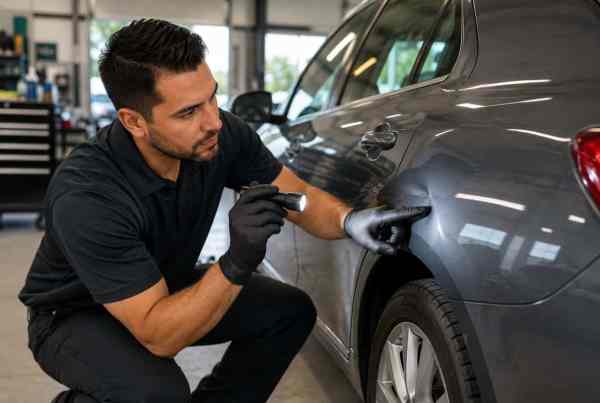
Next comes a written, itemized estimate of the damage. This can happen at a shop, through a mobile inspection, or occasionally through photos for very minor damage. The estimate lists every part and labor line the repair will require and becomes the basis for what the insurer approves.
Direct Repair Program Shops vs Your Own Choice
Insurers often maintain a list of Direct Repair Program (DRP) shops they work with regularly. Choosing a DRP shop can sometimes speed up approval since the insurer already has a working relationship with that shop. It is not, however, a requirement. In Texas, you have the legal right to choose any licensed repair shop, and a reputable shop will work with your insurer either way.
Approval and Repair Authorization
Once the estimate is submitted, the insurer reviews it and issues authorization to begin repairs. This is the step where most of the back and forth with an adjuster happens, particularly if the estimate includes parts or labor the insurer wants to review more closely.
Repair and Supplemental Claims
Work begins once authorization is issued. It is common, especially on anything beyond cosmetic damage, for a shop to find additional damage once a panel is opened up that was not visible during the original estimate. When that happens, the shop submits a supplemental claim with photos and documentation, and the insurer reviews and approves the additional work before it proceeds.
Final Inspection and Payment
Once repairs are complete, the vehicle typically goes through a final quality check. Payment is handled between the shop and the insurer for the approved amount, with you responsible only for your deductible, assuming the claim was approved as filed.
Who Pays for What in a Collision Claim
In a standard approved claim, your responsibility is limited to your deductible. The insurer covers the remainder of the approved repair cost. If the claim involves another driver who was at fault, their liability coverage may cover the repair with no deductible on your side, depending on how fault is determined and which coverage applies.
What to Bring to Your First Estimate Appointment
Bring your insurance information, your claim number if one has already been issued, and, if applicable, a copy of any police report. Having these details ready at the first appointment keeps the estimate moving without a second visit just to gather paperwork.
Common Insurance Claim Delays and How to Avoid Them
Most delays in a collision repair claim trace back to one of a few causes: missing documentation, parts on backorder, or a supplemental claim that takes longer than expected to get approved. You cannot control parts availability, but you can avoid documentation delays by having your information ready up front, and a shop with a track record of clear, prompt communication with adjusters can keep supplemental approvals moving.
Your Rights as a San Antonio Driver During a Claim
You are entitled to choose your own repair shop, to receive a written estimate before work begins, and to ask questions about any line item on that estimate. None of these rights disappear because your insurer has a preferred shop list. If you are unsure about a step in your specific claim, your insurance agent or adjuster is the right person to ask, since claim details vary by policy and by carrier.
How 360 Collision Works With Your Insurance Company
We write detailed, itemized estimates and communicate directly with your adjuster throughout the claim, including any supplemental claims that come up once repair work is underway. You stay in control of where your vehicle is repaired, and we handle the coordination with your insurer so the process moves as smoothly as possible. If you are not sure yet what your next step should be after an accident, our guide to what to do after a car accident in Texas covers the steps that come before filing the claim itself, and our collision repair cost guide shows typical price ranges once your estimate is in hand.
Frequently Asked Questions
Report the incident to the relevant insurance company with the date, location, a description of what happened, and any police report number if one exists. This opens a claim number that follows the repair through every step.
Your insurance information, a description of the incident, and a police report if one was filed. Having these ready at your first estimate appointment keeps the process moving.
A written, itemized estimate is typically required before an insurer will authorize repairs. It documents the damage and becomes the basis for what gets approved.
The insurer reviews the estimate and issues authorization to begin repairs. This is often where any back and forth with an adjuster happens before work starts.
A supplemental claim covers additional damage found once a shop opens up a panel that was not visible during the original estimate. The shop documents it with photos and submits it to the insurer for approval before continuing work.
Timelines vary by damage extent, parts availability, and how quickly the insurer approves the estimate and any supplemental claims. Straightforward repairs move faster than jobs waiting on backordered parts.
Missing documentation, parts on backorder, and supplemental claims that take longer than expected to approve are the most common causes. A shop that communicates promptly with your adjuster helps keep things moving.
The completed repair goes through a quality check before the vehicle is returned to you. Payment for the approved amount is handled between the shop and the insurer.
No. In Texas, you have the right to choose any licensed repair shop for your vehicle, regardless of which shop your insurer recommends.
A Direct Repair Program shop is one an insurer works with regularly, which can sometimes speed up approval. It is a convenience option, not a requirement, since you can choose any licensed shop instead.
You are responsible for your own deductible on an approved claim. If another driver was at fault, their liability coverage may apply instead, depending on how fault is determined.
Yes. We handle communication with your adjuster throughout the claim, including any supplemental claims, while you stay in control of where your vehicle is repaired.
Ready to Start Your Claim
Bring your vehicle in for a written, itemized estimate. We will walk you through the claim process and work directly with your insurer from there.
Schedule Free EstimateOr call us: (210) 405-8817




2 Comments