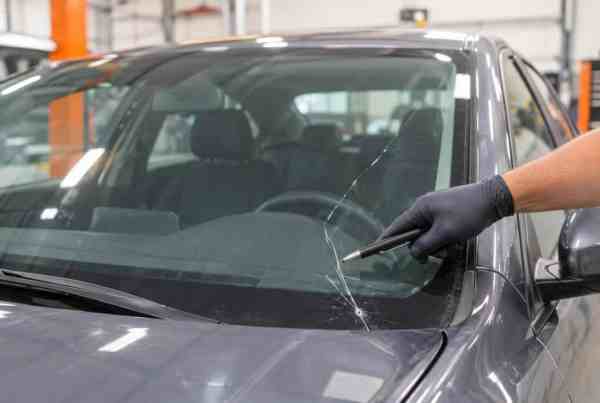
Does car insurance cover hail damage? In Texas, yes, as long as your policy includes comprehensive coverage. Liability-only coverage does not pay to fix your own car, and collision coverage is built for accidents, not storms. You owe your comprehensive deductible, and the insurer pays the covered repair cost from there, up to your car’s actual cash value.
This guide explains which coverage pays for hail, how the deductible works, what the Texas Department of Insurance says about claims history and renewal, how to file step by step, and how paintless dent repair (PDR) compares with conventional repair. It draws on the Texas Department of Insurance auto insurance guide, last updated December 11, 2025.
Key Takeaways
- Hail damage is paid under comprehensive coverage. A liability-only policy does not pay to repair your own car.
- You pay your comprehensive deductible, so compare a written, itemized estimate to it before you file.
- The Texas Department of Insurance says a company cannot refuse to renew you because of weather damage claims, but it can use claims history when setting what it charges.
- Your insurer may suggest preferred shops, but it cannot require you to use one.
- PDR fits hail dents when the paint is intact. Cracked paint or stretched metal usually calls for conventional repair.
Does Car Insurance Cover Hail Damage in Texas?
Hail is one of the causes the Texas Department of Insurance lists among the things most auto policies cover, but only if you carry comprehensive coverage. The same guide describes comprehensive as the coverage that pays when your car is damaged by something other than a collision, such as fire, flood, or vandalism. Here is how the three coverages most people ask about compare.
| Coverage | What it pays for | Pays for hail damage to your car? |
|---|---|---|
| Liability | The other driver’s car and injuries when you cause an accident | No |
| Collision | Repair or replacement of your car after an accident | Not for hail, which is not a collision |
| Comprehensive | Damage from causes other than a collision, including hail | Yes, after your deductible |
Why liability-only leaves the repair bill with you
Texas law requires liability coverage of at least $30,000 per person and $60,000 per accident for injuries, plus $25,000 for property damage. That minimum protects other people. If hail dents your roof and hood and you carry only liability, there is no coverage on your policy that repairs your car, and the cost is yours.
What if you have a car loan?
If you still owe money on the car, the TDI guide says your lender will require collision and comprehensive coverage. That means a financed car is usually covered for hail, though you still owe the deductible.
Your Deductible and the Decision to File
A comprehensive claim comes with a deductible, the amount you pay yourself before the insurer pays the rest. As an illustration only, if a written estimate came to $2,000 and your comprehensive deductible were $500, the insurer would subtract $500 and pay $1,500. Your declarations page shows your actual deductible.
A simple way to decide
- Get the written, itemized estimate first. It shows the real repair cost, panel by panel, before you decide anything.
- Compare it to your deductible. When the estimate is close to the deductible, filing may not leave you much better off.
- Weigh your claims history. Ask your insurer how a comprehensive weather claim is treated before you file.
- Consider the whole car. A roof, hood, and trunk lid with many dents costs far more than a few dings on one panel.
If you are close to the line, our guide on whether to pay out of pocket or file a claim walks through the trade-offs. For price ranges by damage level, see our hail damage car repair cost guide. This page stays focused on coverage and the claim itself.
When hail costs more than the car is worth
Insurers pay up to actual cash value, which is the cost to replace your car minus depreciation. On an older vehicle with heavy hail damage, repair cost can approach that value. Our guide to a car totaled in Texas explains how that decision works.
Will a Hail Claim Raise Your Rates in Texas?
This is the question that keeps many drivers from calling their insurer. The honest answer is that the Texas Department of Insurance does not promise either outcome, so here is exactly what it does say.
What TDI says about claims and renewal
- Most companies use the Comprehensive Loss Underwriting Exchange (CLUE) to see your claims history, and a company can charge you more or refuse to sell you a policy based on your CLUE report.
- A company cannot refuse to renew your policy because you had claims for weather damage.
- Insurance companies charge more if you have had accidents or tickets.
A hail claim is a comprehensive claim for weather, not an accident you caused. That distinction matters, but it does not guarantee your premium will stay the same.
What to ask before you file
- Does a comprehensive weather claim change my premium at renewal?
- What is my comprehensive deductible?
- Is there a filing deadline in my policy?
- Will you reimburse a rental car while the repair is done, and for how long?
Check your claims history report
The TDI guide says you can get a free copy of your CLUE report each year. Reading it shows what future insurers will see about your claims.
How to File a Hail Damage Claim in Texas, Step by Step
- Photograph the damage. Take wide shots of the whole car and close shots of every dented panel, with the date and the storm noted.
- Read your policy. Confirm you have comprehensive coverage, note the deductible, and find the filing deadline.
- Get a free written, itemized estimate. A shop that photographs the damage panel by panel gives you something concrete to compare against the adjuster’s numbers.
- Report the claim to your carrier. Call the claims line or use the app, and give the date, location, and cause of the damage.
- Meet the adjuster. The adjuster estimates the repair, and the insurer bases its payment on that estimate. If you can drive the car, the company might ask you to take it to one of its claim centers.
- Choose your repair shop. You can use any licensed shop. Your shop and your adjuster then settle the repair scope.
- Approve the repair and inspect the result. Check every panel in daylight before you sign off.
Texas timelines your insurer must follow
According to the TDI guide, after you report a claim the company must:
- Confirm it received your claim within 15 days of getting notice.
- Accept or reject the claim within 15 business days of getting all the information it needs. If it needs more time it can take 45 days and must tell you why.
- Send payment within five business days after it agrees to pay.
If the damage turns out worse
Hidden damage can show up once panels come off. The TDI guide says you or the repair shop can talk to the adjuster about raising the estimate when damage turns out worse. Our guide to the collision repair supplement process shows how that works, and our guide to how collision repair insurance claims work covers the full sequence.
Paintless Dent Repair or Conventional Repair for Hail?
Once the claim is approved, the repair method depends on what the hail did to each panel. Your estimate should name the method for each one.
When paintless dent repair fits
PDR is the technique of massaging a dent out from behind the panel with specialized tools, with no filler, sanding, or repainting. It fits hail dents when the paint is intact and the metal is not creased or stretched, and it keeps the factory finish on the panel. Our paintless dent repair guide covers the method in more detail, and our dent repair service page lists what we handle.
When conventional repair is needed
Hail that cracks the paint, creases the metal, or leaves dents too deep or too close to a panel edge to reach from behind needs conventional repair: fill, sand, prime, and refinish. That takes longer than PDR, and the estimate reflects it.
When a car needs both
Severe hail often calls for a mix, with PDR on most panels and conventional repair on a few. A written, itemized estimate that names the method for each panel keeps the insurer and the shop working from the same page.
Choosing a Repair Shop After a Hail Claim
Your insurer may hand you a list of preferred shops. The Texas Department of Insurance says a company can offer one but cannot require you to use a shop on it. In Texas, you have the right to choose any licensed repair shop, and a reputable shop will work with your insurer either way.
How 360 Collision Works With Insurers on Hail Claims
Our hail damage repair service is built around the claim, not just the dents. At 360 Collision, here is what we do:
- Write a free, no-obligation, written, itemized estimate with the damage photographed panel by panel
- Bill your insurance company directly, including State Farm, USAA, Allstate, Geico, Progressive, and all major carriers
- Communicate with your adjuster throughout the claim, including any supplements found during repair
- Repair with I-CAR Gold Class training and ASE-certified technicians
- Back the work with a lifetime warranty on workmanship for as long as you own the vehicle
Our shop is at 8803 Oakland Rd in San Antonio, open Monday through Friday, 7:30 AM to 5:30 PM. You can request an estimate on our contact page. Repair time depends on the number of dents and the repair method, so we give you a timeframe with the estimate instead of a promise before we see the car.
Frequently Asked Questions
Yes, if your policy includes comprehensive coverage. The Texas Department of Insurance lists hail among the causes most policies cover when you carry comprehensive. You pay your deductible and the insurer pays the covered repair cost.
No. Liability coverage pays for the other driver’s car and injuries when you cause an accident. It does not pay to repair your own car after a hailstorm.
Not usually. Collision coverage pays to repair or replace your car after an accident, while hail falls under comprehensive. Check your policy or ask your agent how your carrier classifies a storm claim.
If you have a loan, your lender will require both collision and comprehensive coverage, so hail damage should be covered. You still owe your deductible, and any payment may go through the lender depending on your loan terms.
The Texas Department of Insurance says companies can charge more based on your claims history, but it does not say a single hail claim will raise your rate. Ask your insurer whether a comprehensive weather claim affects your premium before you file.
According to the Texas Department of Insurance, a company cannot refuse to renew your policy because you had claims for weather damage. Other reasons for nonrenewal can still apply.
Your policy sets the filing deadline, so check it and report the damage as soon as you find it. Photos taken right after the storm make the claim easier to support.
The Texas Department of Insurance says the company must confirm it received your claim within 15 days, then accept or reject it within 15 business days of getting everything it needs. It can take up to 45 days if it explains the delay, and payment is due within five business days after it agrees.
Paintless dent repair is a repair method, and a covered hail claim pays for the repair your estimate calls for. When the paint is intact, PDR is often what the estimate recommends. Your adjuster makes the final call on scope.
No. The Texas Department of Insurance says a company may give you a list of preferred shops but cannot require you to use a shop on that list. You can choose any licensed repair shop.
Ask your shop to talk to the adjuster. The Texas Department of Insurance notes that you or the repair shop can raise a higher estimate with the adjuster when the damage turns out to be worse than first thought.
Yes. We bill your insurance company directly, work with State Farm, USAA, Allstate, Geico, Progressive, and all major carriers, and communicate with your adjuster throughout the claim. Estimates are free, written, and itemized.
Get Your Hail Damage Estimate Before You File
Bring the car to 8803 Oakland Rd for a free written estimate, so you can compare it to your deductible with real numbers.
Schedule Free EstimateOr call us: (210) 405-8817